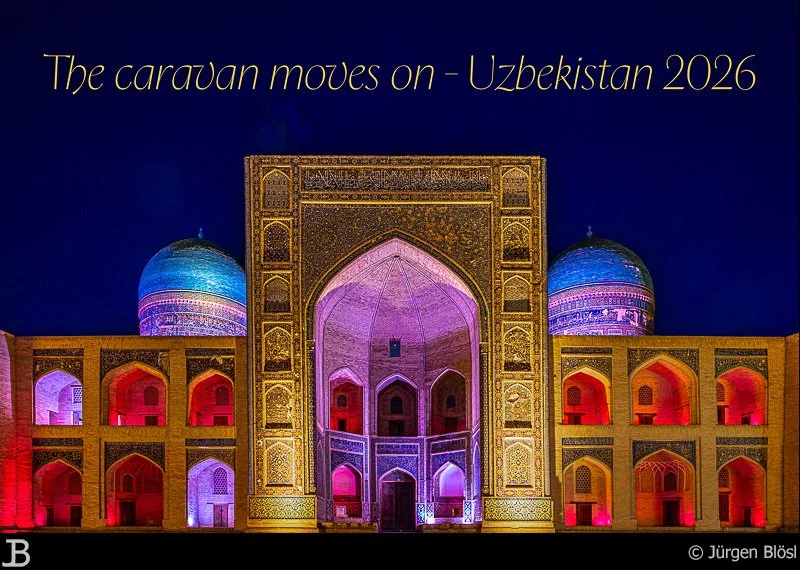
Tashkent and the journey to Khiva - The caravan moves on - Uzbekistan 2026 - 2
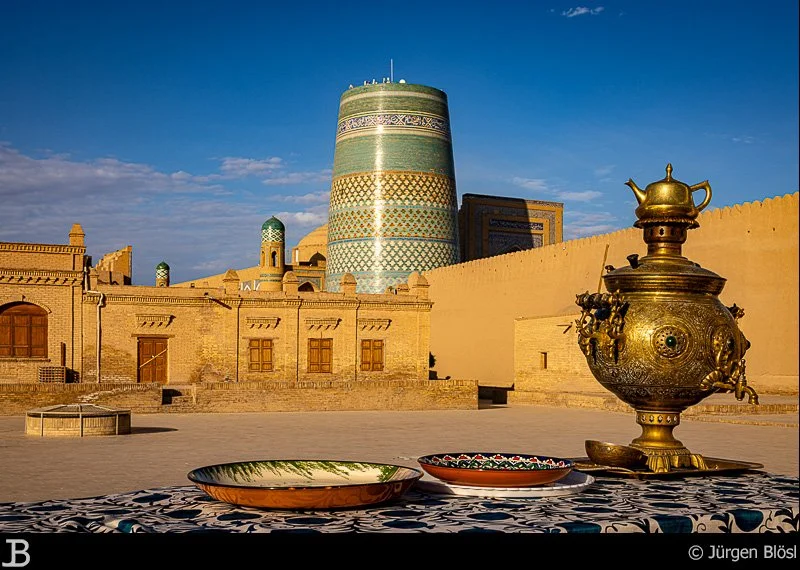
Tashkent and the journey to Khiva
The next morning greets me with rain. Actually, I thought I’d escape the bad weather we’d had in Germany over the last few days 🙁.
We’re set to leave at 9:30 a.m. The group consists of just six people: one woman and five men - all solo travelers, except for a father-son duo, and all more or less the same age. Only the father will turn 94 during the trip. As it turns out, however, he’s so physically and mentally fit that he’ll be able to keep up with everything.
Anyone who doesn’t have local currency yet withdraws some from the ATM at the hotel. Only our female travel companion is having trouble. It takes her what must be a dozen ATMs before she figures out that her DKB bank has not only a maximum but also a minimum withdrawal amount. For the next few days, we have fun pointing out the ATMs to her as we go along.
Although the weather app predicted rain all day, we’re getting lucky. It has stopped raining for now, and there will only be light drizzle here and there for the rest of the day.
We’re now heading to the “historic” center by minibus. “Historic” in quotes because an earthquake in 1966 [↗] destroyed so much that Tashkent actually has no old buildings left. What looks old has been renovated or is brand-new. The cityscape is still dominated by Soviet-era buildings from the 1970s.
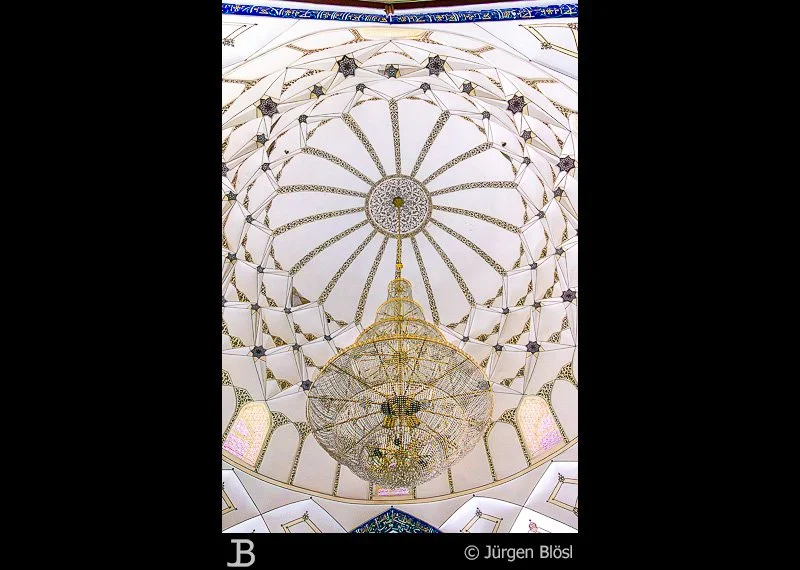
We’re dropped off at the Hazrati Imam Mosque [↗]. Here, we already see many tour groups from a wide variety of countries. We’re not allowed to enter the interior; we can only catch a glimpse through the open doors. We walk around the area a bit, get some background information on this and that, and visit a mausoleum that’s of little photographic interest. The tour concludes at the Khast Imam Madrasa. A madrasa [↗] is an old Koranic school. Today, the premises accommodate souvenir shops selling goods that likely originate from China.
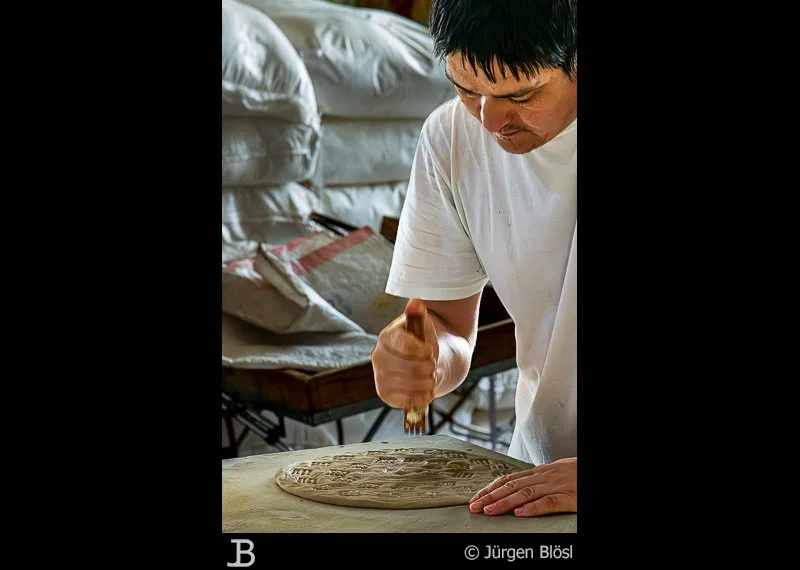
We continue by bus to the Chorsu Bazaar [↗]. This is a huge market whose central building resembles an oversized yurt. Inside, there is mainly meat. Before everyone goes off to explore the market on their own, we first head into the halls surrounding the central area to watch how the local bread, called non, is baked there.
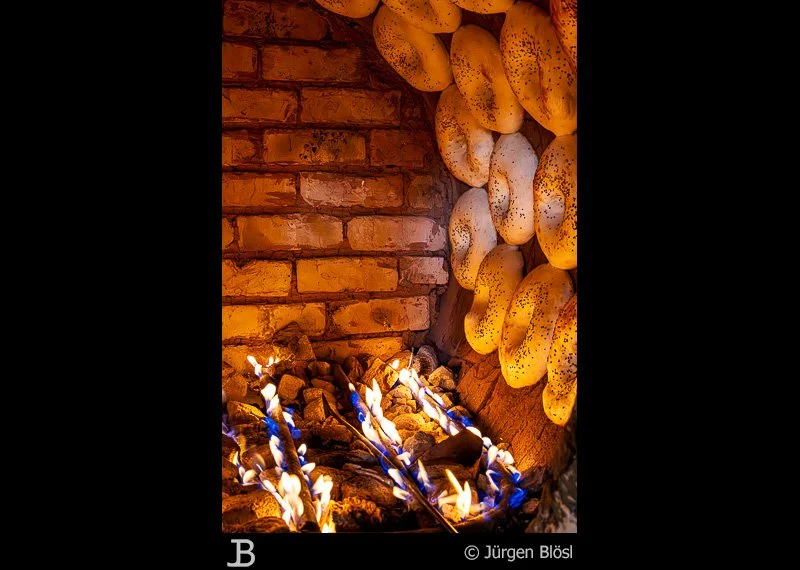
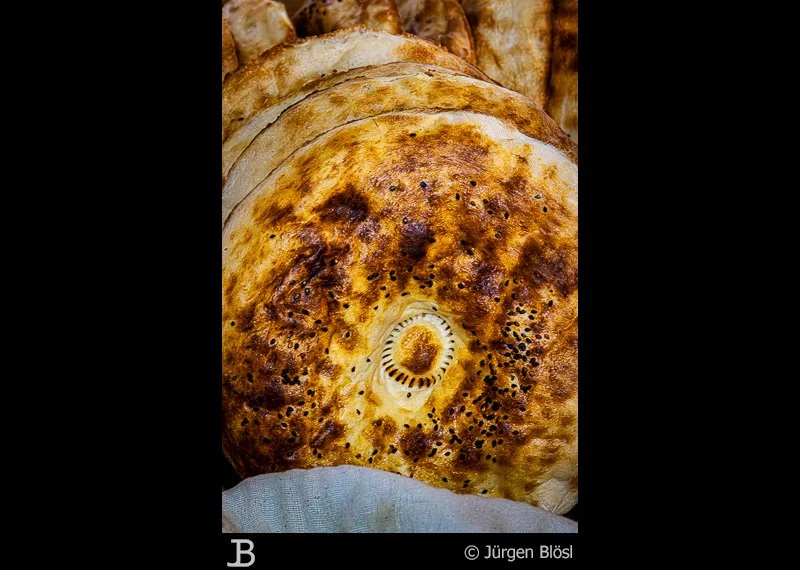
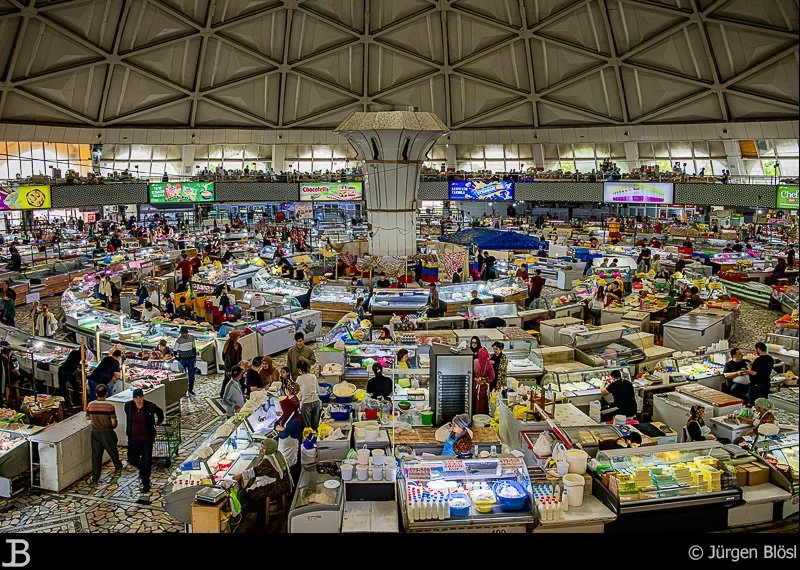

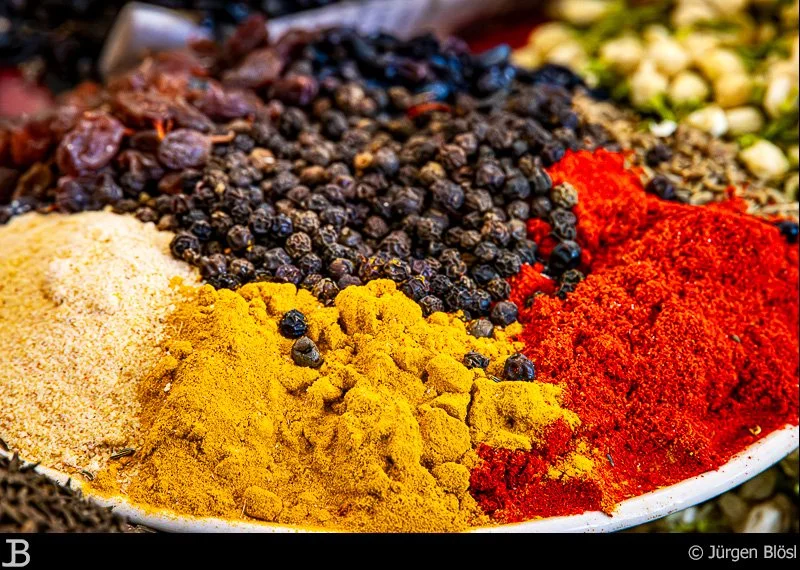
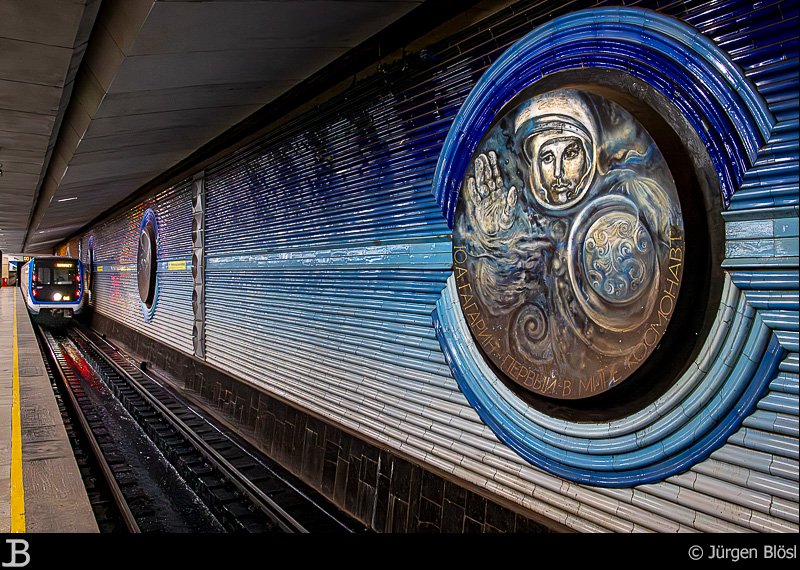
Next up is a short metro tour. Our guide initially wanted to use the metro just to get from point A to point B. But we manage to convince him to get off at a few extra stations along the way. As in many of the former Soviet states, these stations are definitely worth seeing. In fact, they are Tashkent’s main attractions.
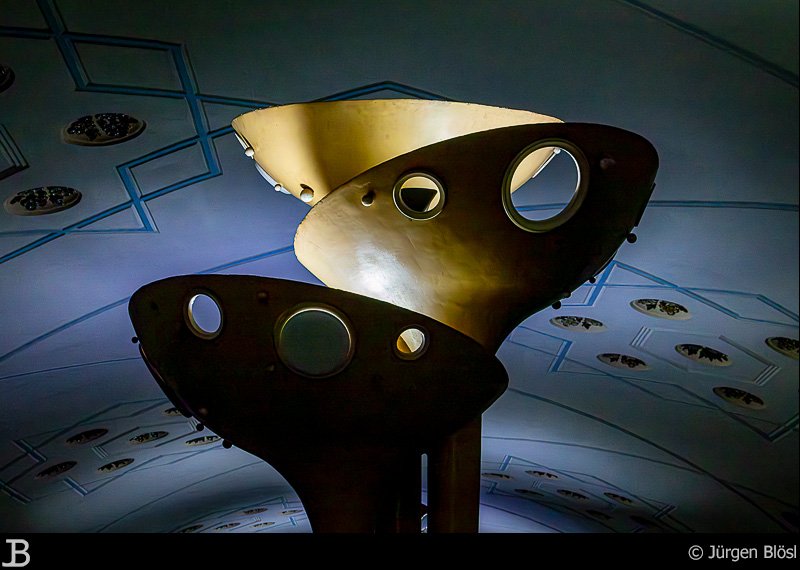
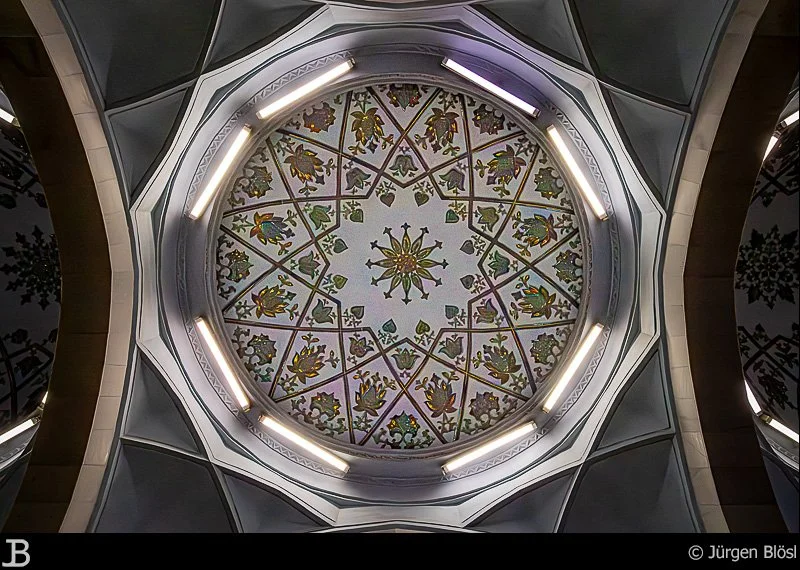
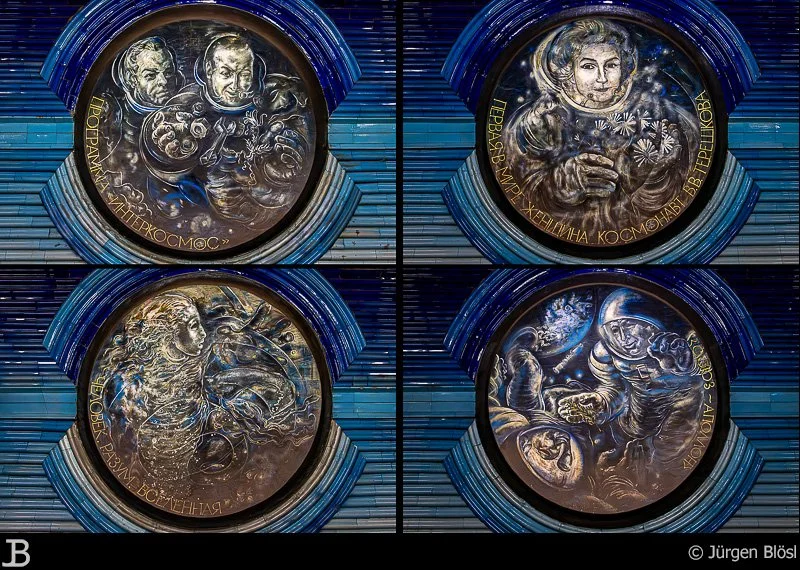
Today’s sightseeing concludes with the two main squares: Independence Square [↗] and Timur Square [↗]. Both originally featured tsarist and later Soviet statues. After independence, these were removed and the squares were repurposed.
Afterwards, we take the metro back to the hotel. Slowly but surely, the lack of sleep is starting to take its toll. I back up my photos and then lie down for an hour or so. At 6:30 p.m., we head out for an early dinner. Tomorrow we’ll be leaving very early, and we’re meant to get a chance to catch a few hours of sleep.
The alarm goes off at 4:30 a.m. At 5:00 a.m., the bus leaves for the airport so we can catch our flight to Nukus. This takes us from the east almost all the way to the west of the country, only to work our way back by bus.
By the time we arrive in Nukus [↗] and retrieve our luggage, it’s 9:00 a.m. Similar to the city tour in Tashkent, we’re once again in a 12-seat minibus. So there’s plenty of room for everyone, even if the shock absorbers, in particular, have seen better days.
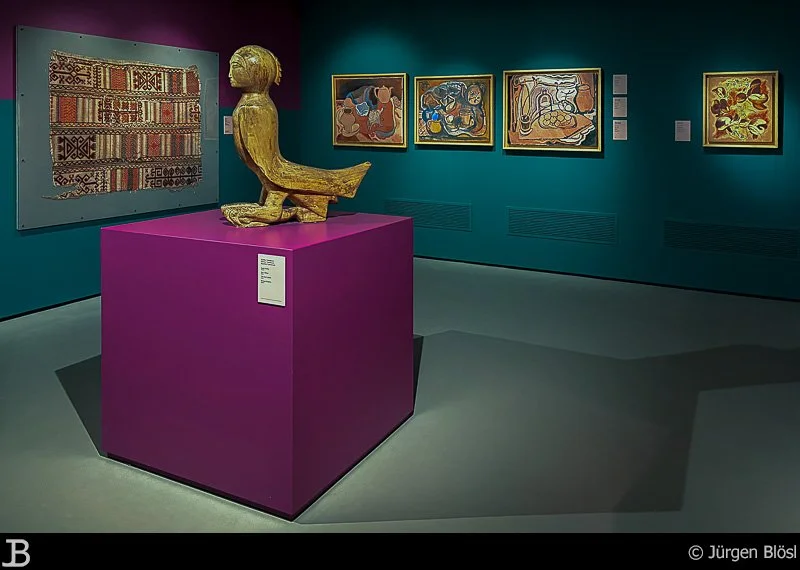
Before we set off for Khiva, we visit the Savitsky Museum [↗]. Although the museum advertises itself as “Avantgarde in the Desert,” it primarily features Russian Impressionism. There are only a few paintings by Kandinsky and his companions.
What’s more interesting is how the museum came to possess the paintings. The museum’s namesake - an artist and archaeologist himself - decided to bring the artworks of his friends to safety from the Stalinists. In Nuklus, far from Moscow, they were safe from destruction. However, the remnants of the banana crates are no longer used as frames today, even though you can still read about it here and there.
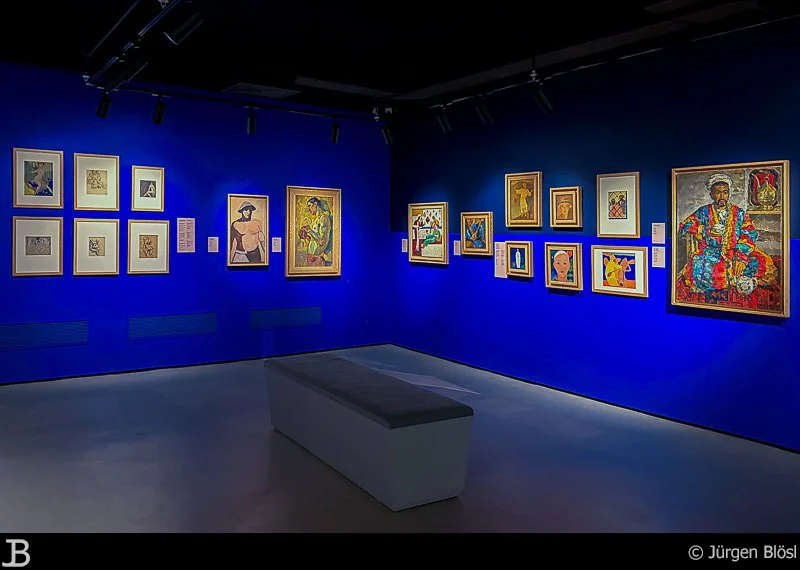
Since breakfast consisted of only a small snack box, we head across the street to a café. The cake is generous and really delicious. The coffee, too, leaves nothing to be desired.
At noon, we set off on the long drive through the desert to Khiva [↗]. Although the landscape here is more like a desert steppe. The road is a four-lane, bumpy highway that later turns into a country road. After three-quarters of an hour, we stop briefly to view a Zoroastrian burial site from a distance.
The farther we go, the worse the road gets. For quite a while, we watch as construction continues on the highway next to us, but it will be years before it’s ready for use.
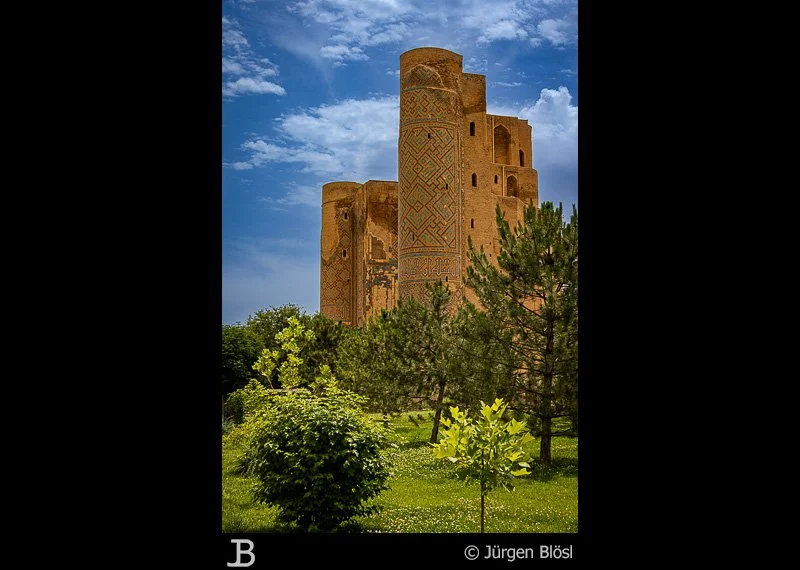
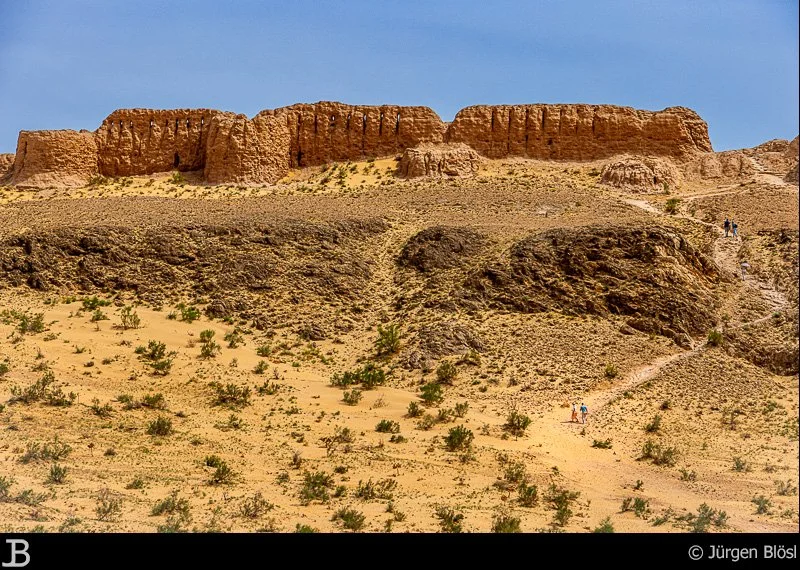
At 3:00 p.m., we reach the ancient fortress of Ayaz-Kala [↗]. The ruins aren’t very impressive. But since they’re the only serious stop on the itinerary, I grab my backpack and head up the hill. With temperatures at 28 degrees and no shade, it’s a sweaty affair.
We reach Khiva at 6:00 p.m. and check into our hotel in the heart of the historic old town. At first glance, it’s very nice, with rooms whose windows look out onto the inner courtyard. At 7:30 p.m., we head out for a joint dinner.
By the way, the transliteration of place names into the Latin alphabet isn’t always clear-cut. For example, Khiva is also sometimes referred to as Xiva or Chiwa. The same applies to other places in Uzbekistan.