From Antarctica to the Pacific coast of South America - Icebergs and Penguins - 11
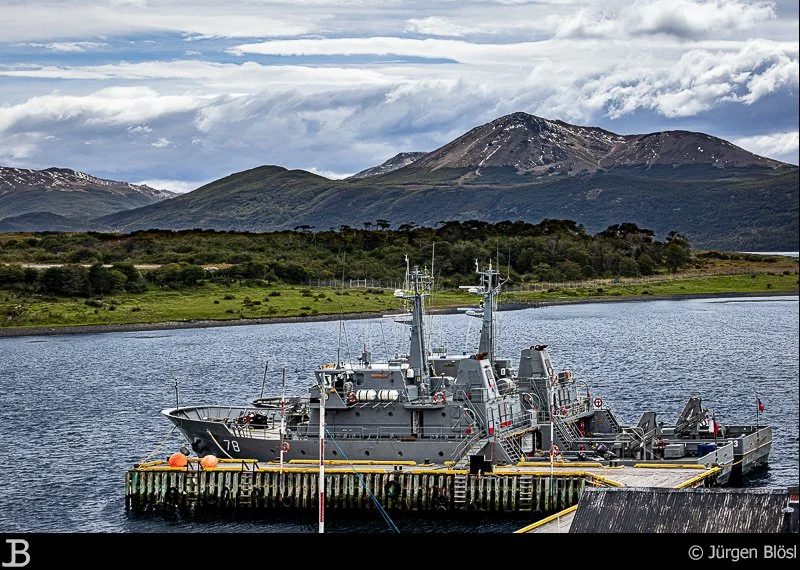
February 14-16, 2026 - From Antarctica to the Pacific coast of South America
We’re heading north at full steam through the moderately choppy Drake Passage. This is neither Drake Lake nor the Drake Shake. Every now and then, the spray splashes up to my window on Deck 5, and it rumbles as if we’d rammed an iceberg (which, of course, isn’t here), but nothing is flying around or anything like that.
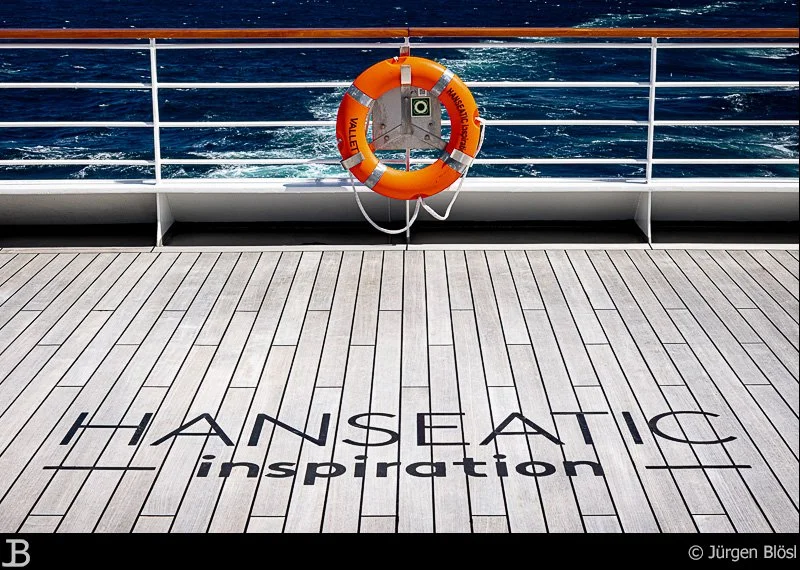
The Drake Passage [↗] is the strait between Antarctica and South America where the Atlantic Ocean meets the Pacific and the Southern Ocean. This is one of the most dangerous and unpredictable sea areas of all. You may have heard of Cape Horn and the hazardous circumnavigation of the southern tip of South America - and Cape Horn [↗] lies at the northern edge of the Drake Passage. But of course, today’s ships have little in common with the sailing vessels of past centuries. Nevertheless, it is appropriate to show some respect. The HANSEATIC inspiration’s last voyage was cut short by a day to avoid a storm in the Drake Passage.
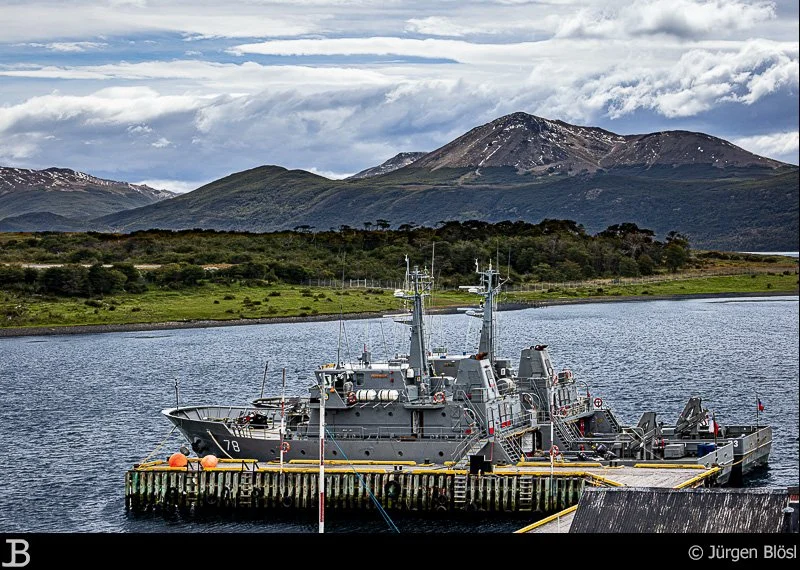
The captain informs us that plans for the near future have changed. Originally, only a brief stop in Puerto Williams [↗] was scheduled for early tomorrow morning to complete the entry procedures for Chile. I already registered online for it this morning. Now, however, the stay will be longer than planned because fuel needs to be taken on board. The tanker at the originally planned port is out of service.
We’ll likely be in Puerto Williams from 9 a.m. to 6 p.m., but it’s unclear whether we’ll be able to go ashore. The weather is supposed to get pretty bad. Well, there isn’t much to see there anyway.
Otherwise, the day at sea is pretty uneventful. Time to work on the pictures from the trip again 😉.
Early in the morning, we reach the Beagle Channel [↗]. Last night I woke up a few times because the waves were slamming loudly against the hull. But as soon as we reach the channel, the ship stabilizes and the motion of the waves is barely noticeable.
We arrive in Puerto Williams quite early, but our hope of starting the fuel transfer earlier than planned doesn’t align at all with Chilean procedures. Nothing happens before noon, even though the tanker is already waiting. As we later learn, the second pilot for the tanker was apparently missing.
On the other hand, the weather looks good, so we’re scheduled to go ashore at 1:00 p.m. The expedition team came up with three hikes yesterday. A 1.5-km hike along a nature trail, a 4-km hike to a lagoon, and a 16-km hike with a 600-meter elevation gain to a flag post on one of the surrounding mountains. After yesterday’s presentation, so many passengers expressed interest in the latter hike that the team seems to have gotten a bit nervous. In any case, they emphasized in three announcements this morning that it is a difficult hike intended only for fit hikers with appropriate experience. Since no one on the team has done the hike yet, they themselves don’t know what to expect.
To ensure these participants have enough time, they’re allowed to go ashore first. Then the rest follow, one Zodiac at a time. The other hikes aren’t guided. Here and there, a member of the expedition team is available to answer questions, but otherwise everyone can do as they please.
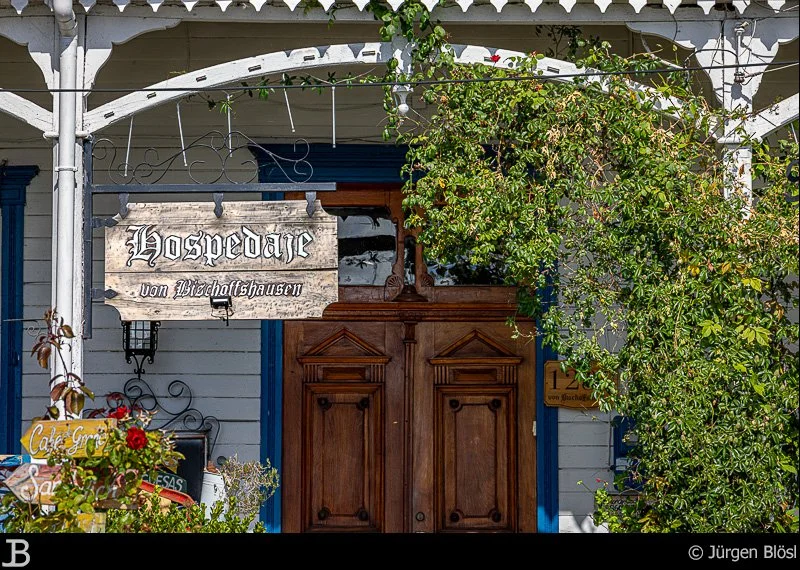
I walk to the lagoon and take a look around the town on the way back. Calling this a city is really ridiculous. A military facility, white wooden cottages in varying states of repair, a few shops and cafés for the handful of tourists who end up here. That’s about it - a pretty desolate place. I’m ashore for about two hours and file it under “a bit of exercise between two days at sea,” because tomorrow we’re heading through the Beagle Channel to the Pacific side of South America.
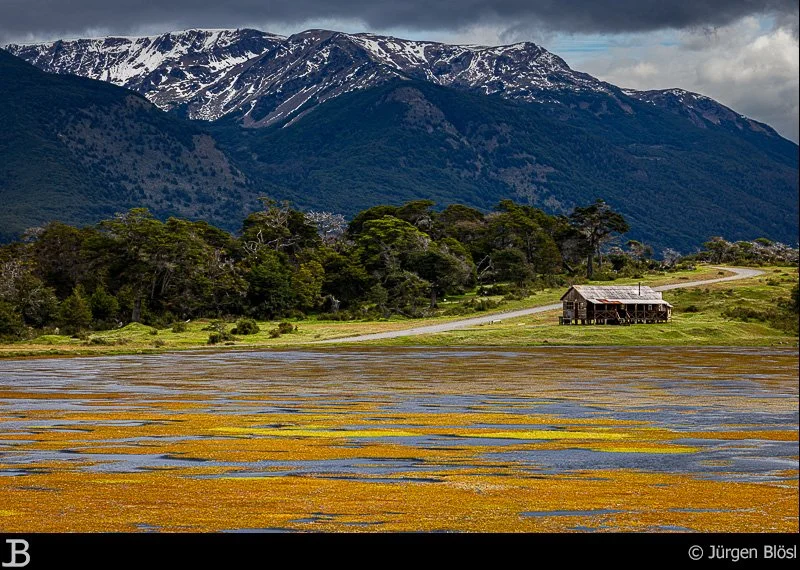
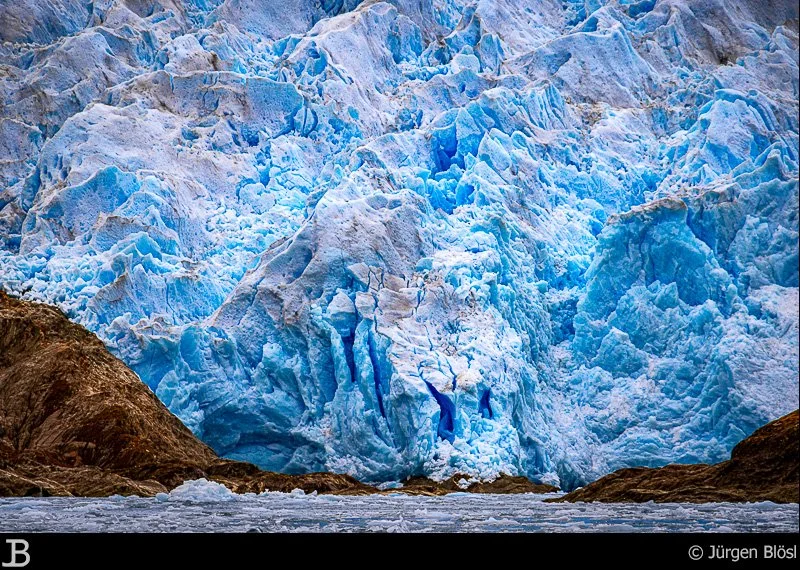
Our destination is the Amalia Glacier [↗], nearly 1,000 km away. That will take us about 1.5 days. After the Beagle Channel, we’ll head through the Chilean fjords and then the Strait of Magellan [↗].
So today is another day at sea. The weather isn’t exactly being kind to us. The low-pressure system we successfully avoided in the Drake Passage is sending us rain and fog. We don’t get to see much of the scenery this way.
Instead, the crew has a safety drill today. It’s been announced multiple times so that even the last guest knows it doesn’t concern us. At 10:30 a.m., the announcement sounds: “Foxtrot, Foxtrot - Main Laundry, Fire Zone B.” But in the drill, the fire cannot be brought under control. First, everything is prepared for the evacuation of the passengers and non-essential personnel, and finally, the ship must be abandoned.
So if you hear the announcement “Foxtrot, Foxtrot,” hopefully you aren’t the reason for it 🌝.
I actually wanted to go to the gym shortly after 10 a.m. But it was packed for the first time. So I’m heading back to my cabin first and then hitting the gym three quarters of an hour later.
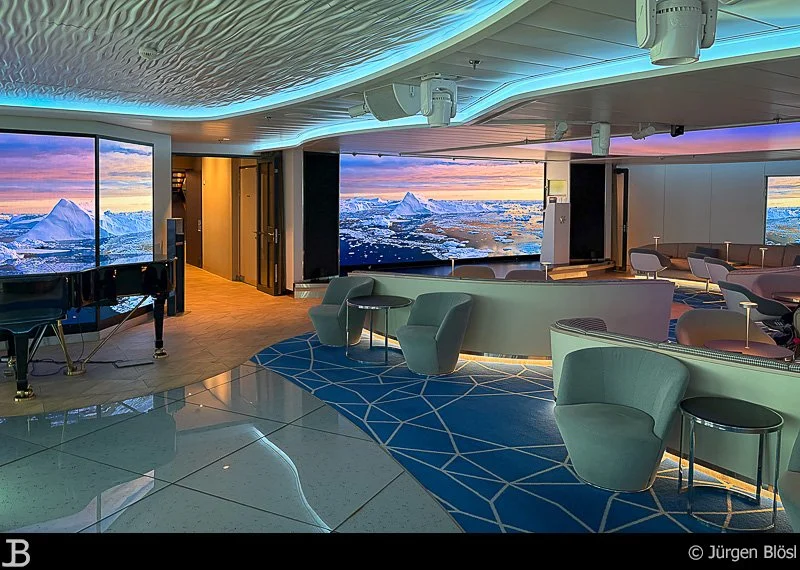
Today there are two more talks, each just under an hour long. One on saltpeter mining in Chile and one on glacier research. I’ve started limiting myself almost exclusively to the short talks held as part of the Re/PreCap. Since this session is held bilingually at the same time, the Hanseatrium is divided. In the left section, the Re/PreCap is presented in German, and in the right section, there are short presentations on various topics in English language. Afterward, the presenters switch sides and repeat the content in the other language. The English-language slides often also include Chinese translations, which were likely created by the tour guide of the Chinese tour group.
To finish off the day, I have my second appointment at the specialty restaurant NIKKEI. Surprisingly, it’s only half full. The menu has changed in the meantime and now features fish specialties. Very good, as almost always, but I actually found the original concept more exciting.