L’Oceanografic in Valencia
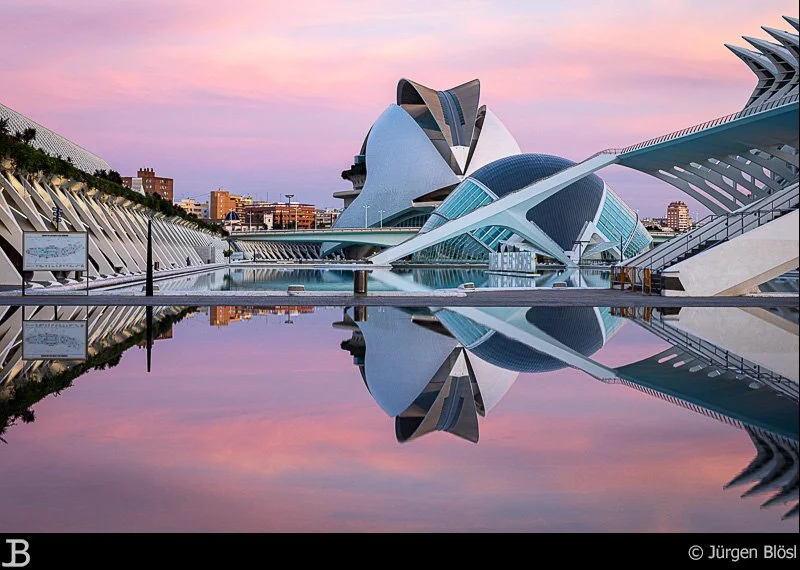
After writing about our visit to the City of Arts and Sciences last time, today we continue with L'Oceanografic [↗].
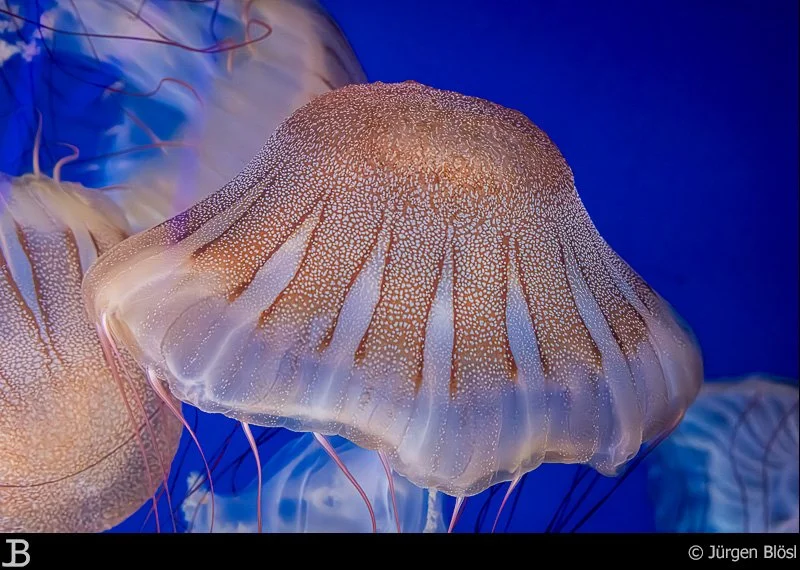
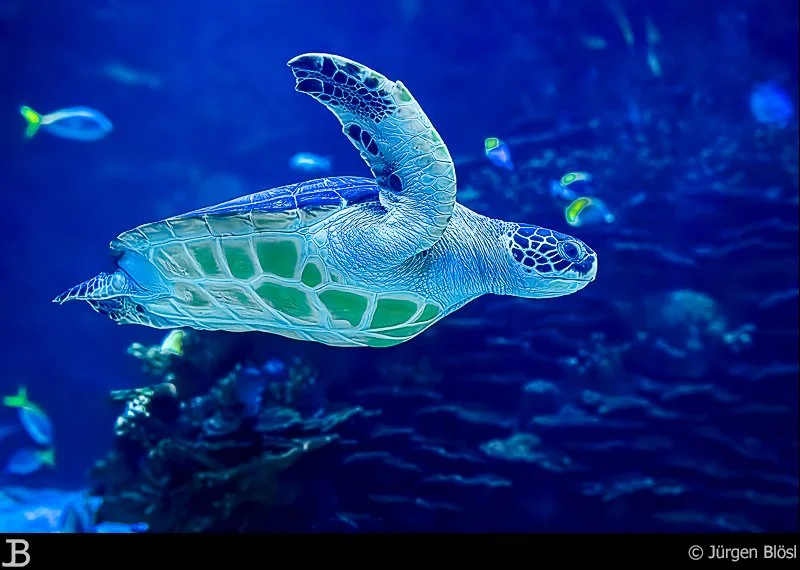
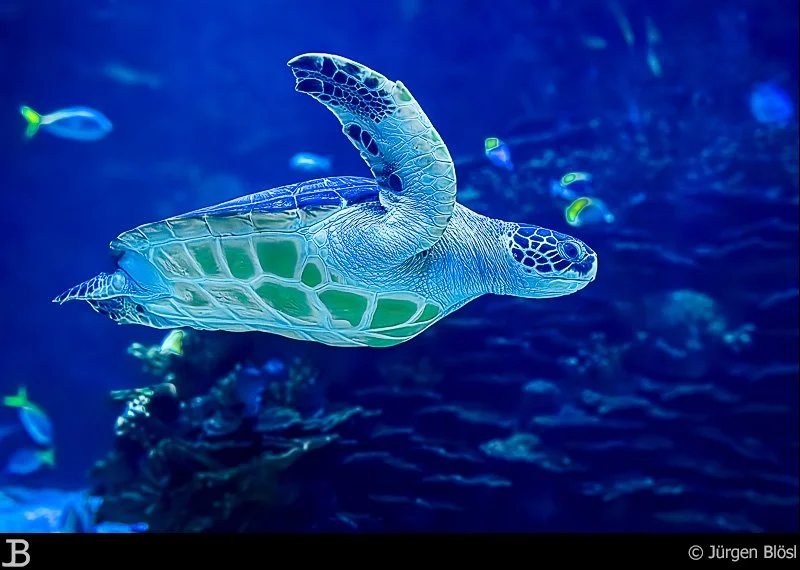
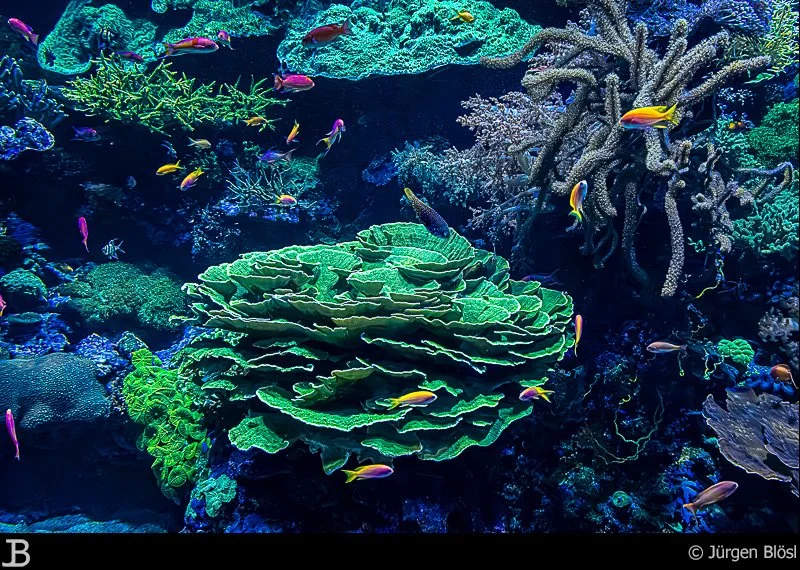
Arguably, the largest aquarium in Europe is located in the extension of the City of Arts and Sciences. Depending on the source, it may or may not be included. L'Oceanografic is primarily an aquarium, although there are other areas as well. Whether the dolphin show or the aviary are really necessary is another matter. From a photographic point of view, the aquariums and especially the section with the jellyfish are the most interesting.
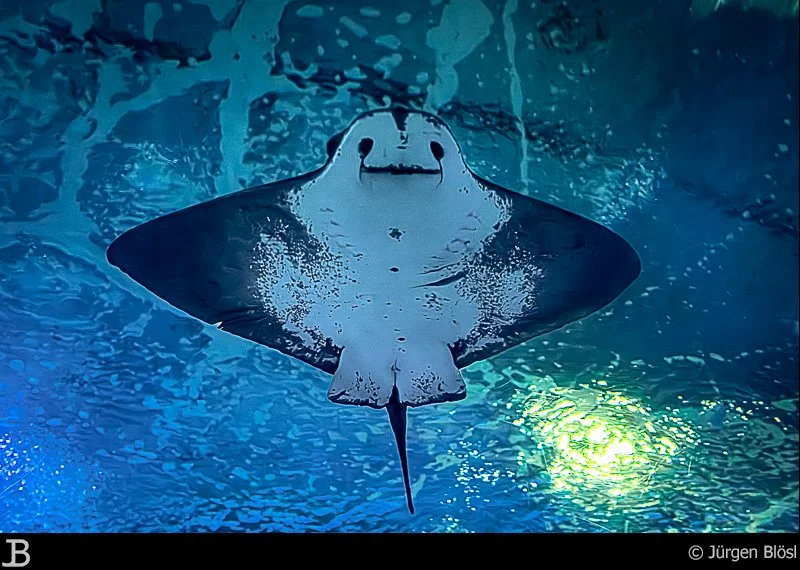
Tickets can be purchased in advance or at the box office. Depending on visitor numbers, however, the latter may result in considerable waiting times. We booked tickets for the first slot in the morning, and although we were in Valencia during the off-season, this was a good decision. When we arrived shortly before 10 a.m., we already had to join a rather long queue. There, we were given an overview map and were advised to go to the sharks first. These can be viewed with other fish, such as rays, through a 35-meter-long glass tunnel, so that the fish can be seen not only next to you but also above you.
A variety of habitats have been recreated in different buildings. For example, there is a hall where a bay in Antarctica has been simulated and where you can observe penguins. One penguin was busy collecting small stones to build a nest. It was cute to watch him carry stone after stone from the “beach” up onto the rocks in his beak. In Antarctica, penguins like to steal stones from each other, but here everything remained peaceful.
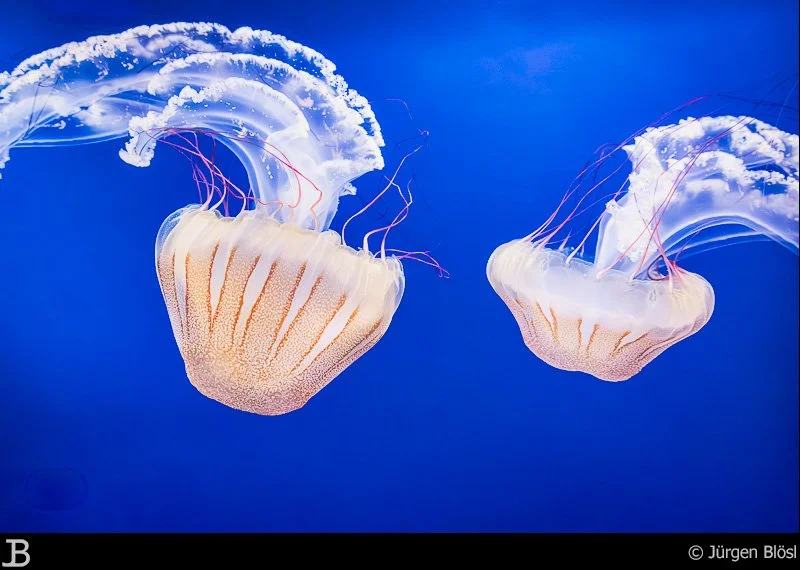
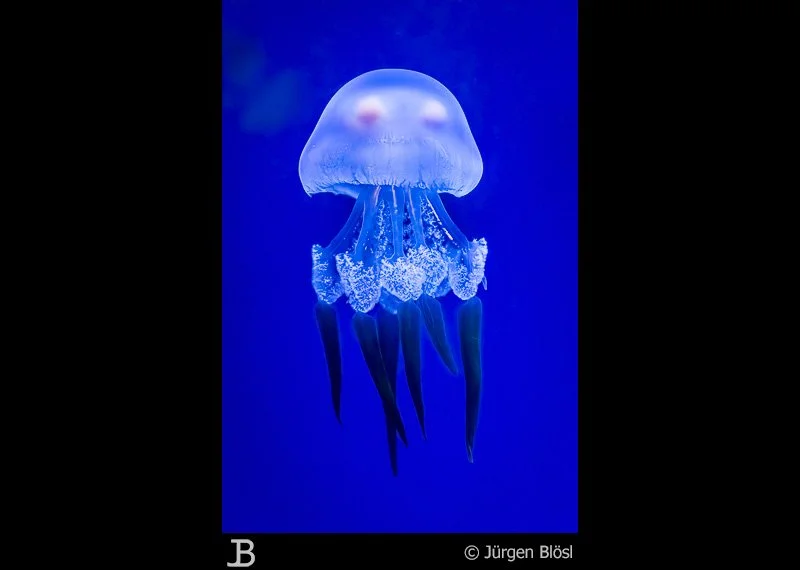
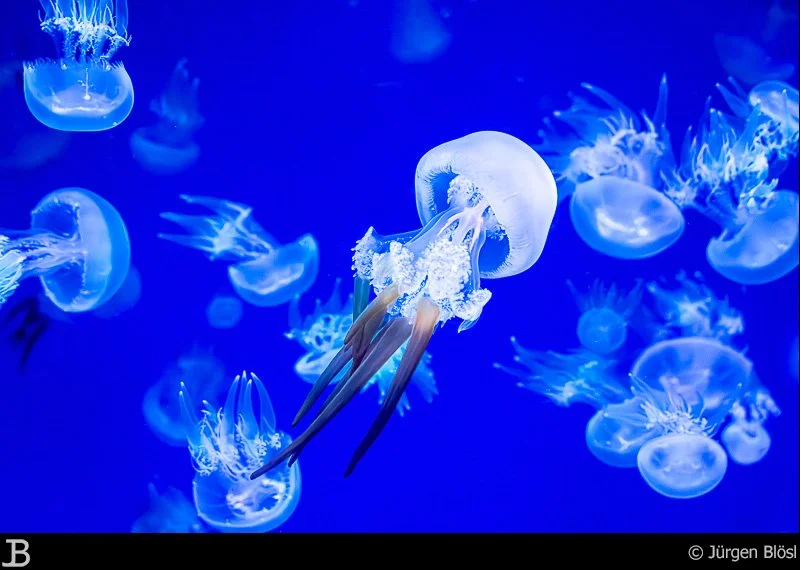
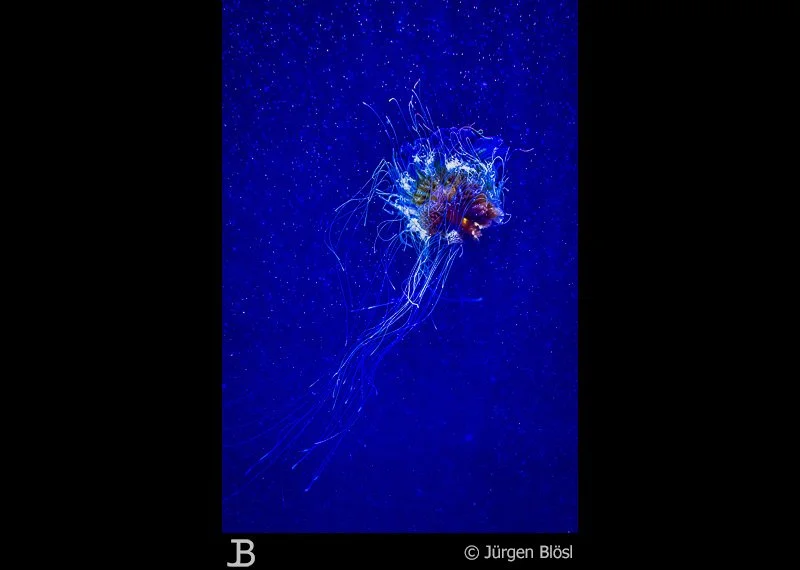
The photographic highlight, however, is the jellyfish. Even though the percentage of rejects is quite high and you have to remove quite a bit of floating particles from the photos, in my opinion this is where the most beautiful pictures come from.