South Georgia - Icebergs and Penguins - 5
February 4-5, 2026 - South Georgia
It's five o'clock in the morning and the alarm clock is ringing. We are approaching Salisbury Plains. The order of shore excursions is changed every day based on a sophisticated system. Today I am in the very first group and will be able to board the Zodiac at 6 a.m.
Yesterday evening, I grabbed some bread, cheese, and sausage from the buffet. There is a coffee machine in every cabin anyway. Theoretically, I could also have breakfast delivered via room service, but that's too much fuss for me. The snack has to be enough, and I'll have breakfast after my return.
The weather is gray and dreary, with rain falling on and off. Even at the landing site, still far from the actual colony, there are so many animals that it is impossible to keep a distance of 5 meters. This is mainly because the animals are curious and want to see what the big black things approaching the beach are.
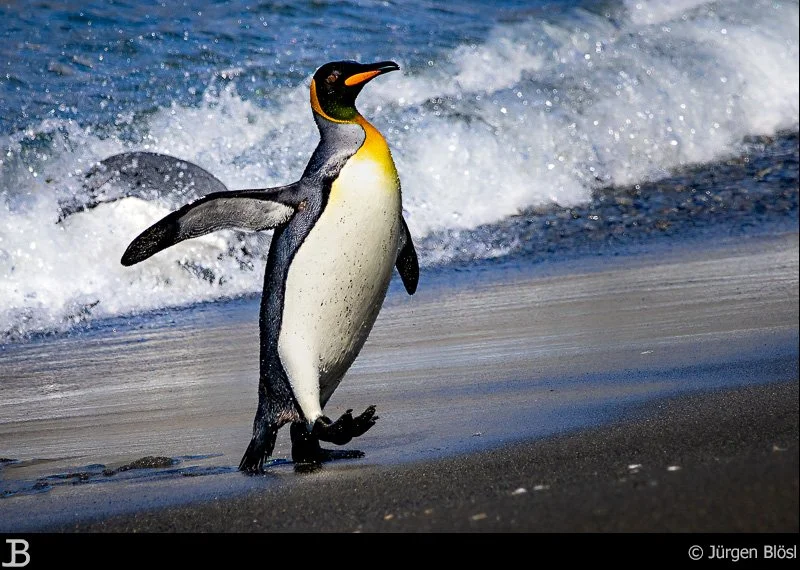
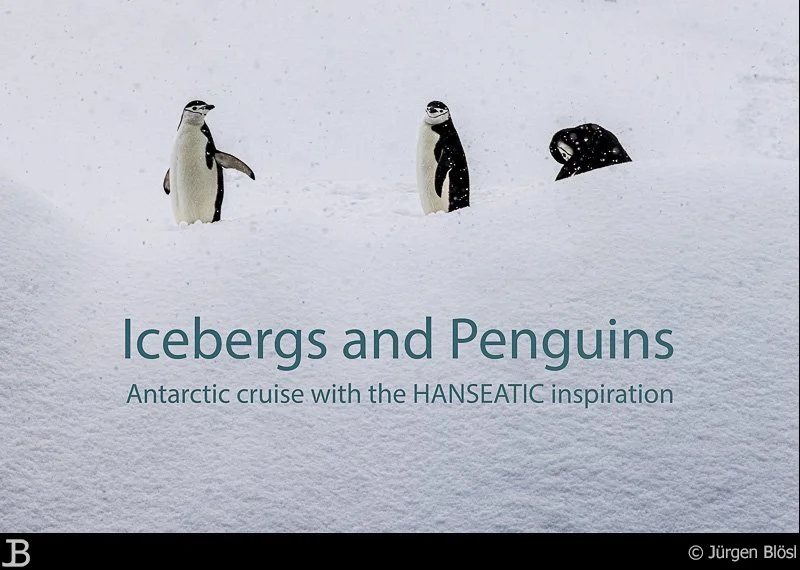
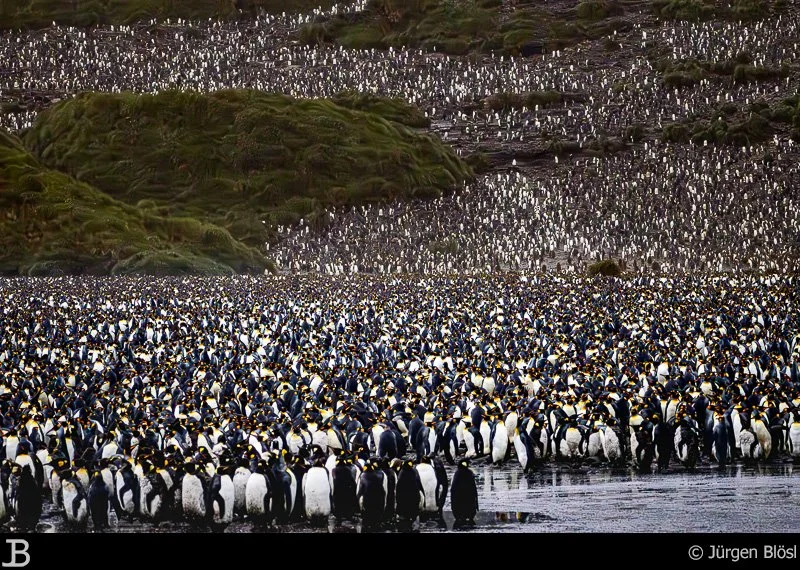
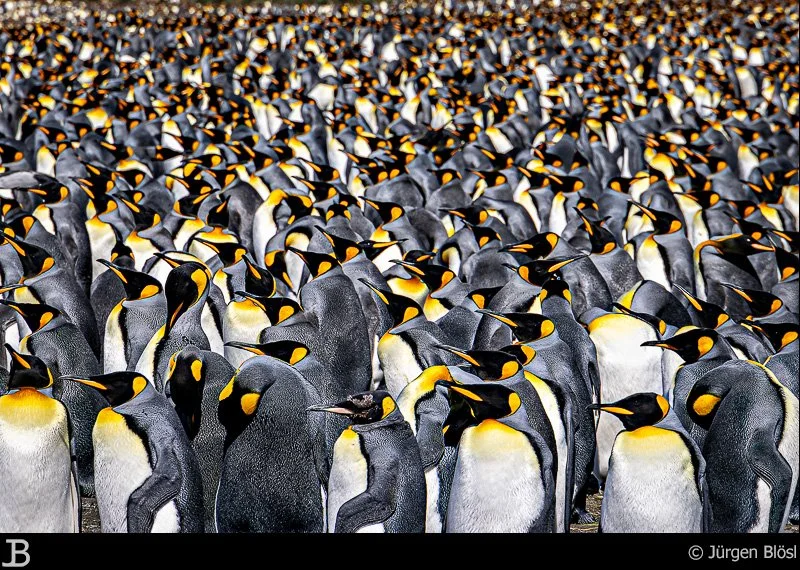
Hundreds of thousands of king penguins [↗] live here, along with seals, skuas [↗], and other birds. The colony stretches from the coast up into the mountains. It's hard to describe in words. Even photos only give a glimpse of what we see.
Humans are not perceived as enemies. The birds love the marker poles with the orange pennants, and the little seals would love to test their temper on the guests. One of them comes up to me, but when I make myself big and say “what do you want” in a deep voice, it quickly turns away. Everyone standing around has to laugh.
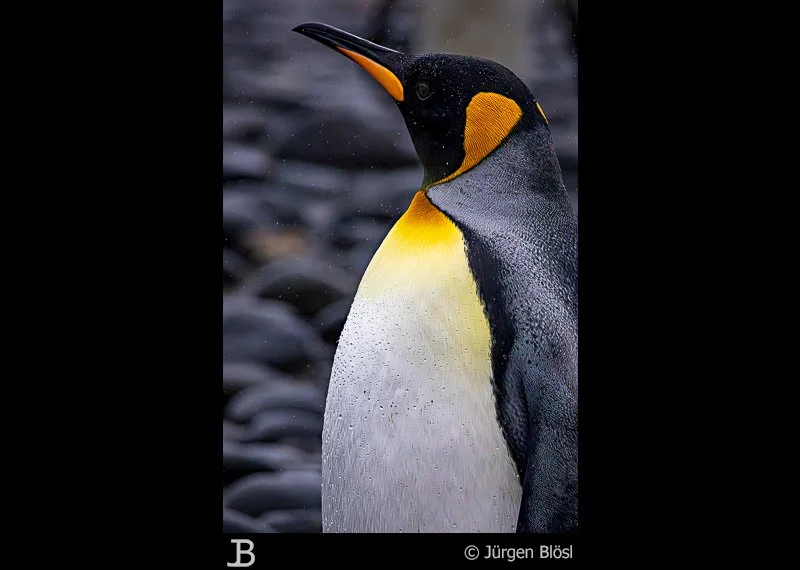
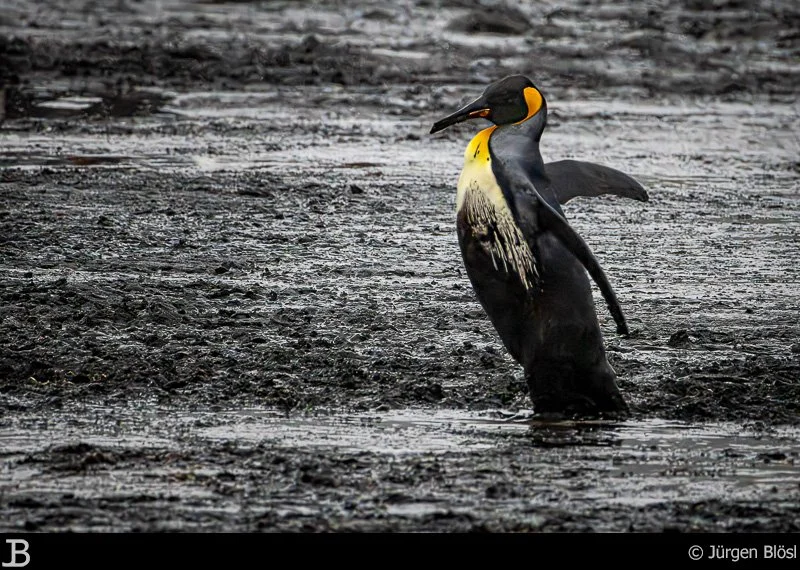
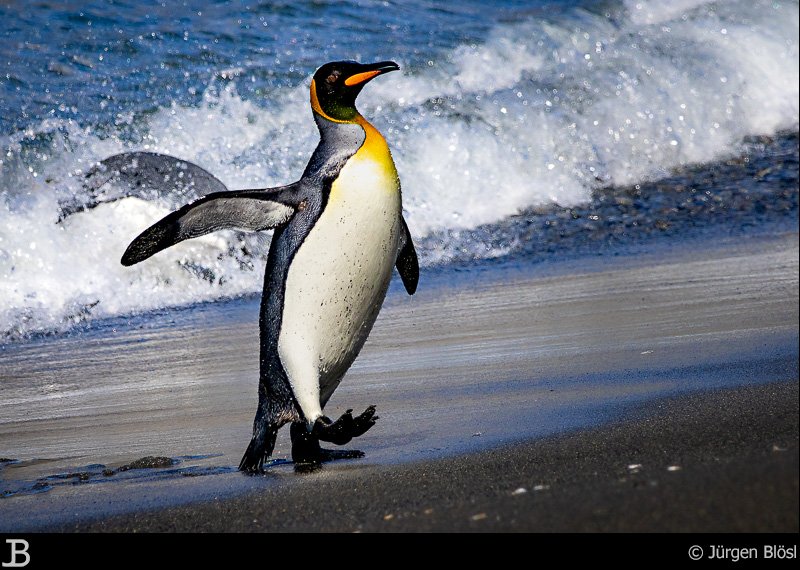
Many animals are just standing around. Some of them look quite disheveled because they are moulting. Some of them are late breeders (king penguins have young twice in three years) and the females flap their wings to impress the males standing next to them. They may also be young animals that are not yet sexually mature but are already practicing. I can even observe nursing seals.
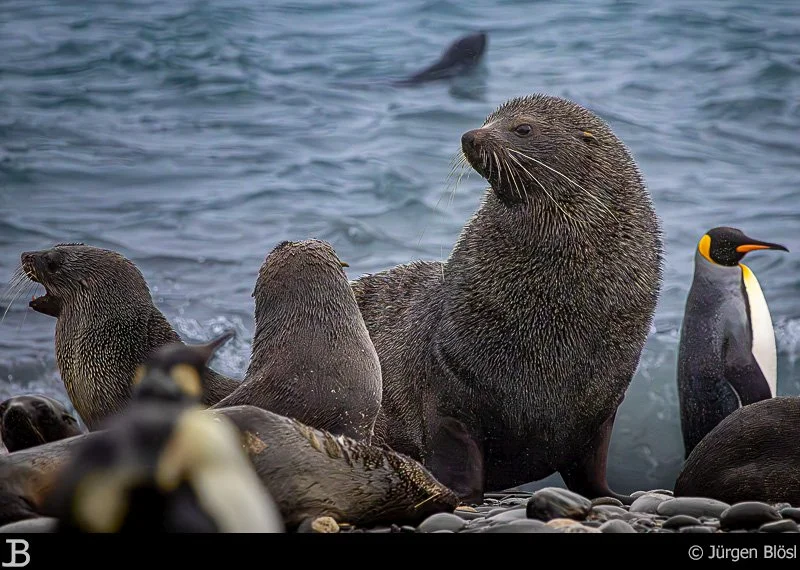
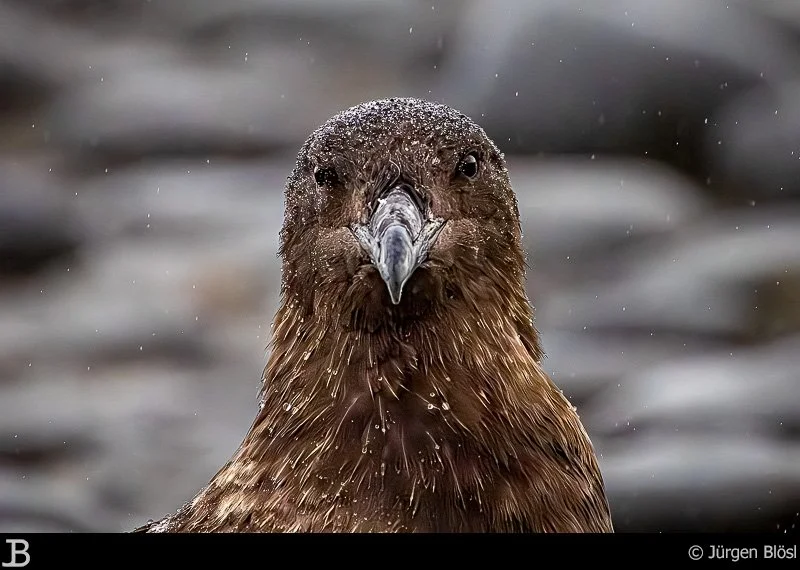
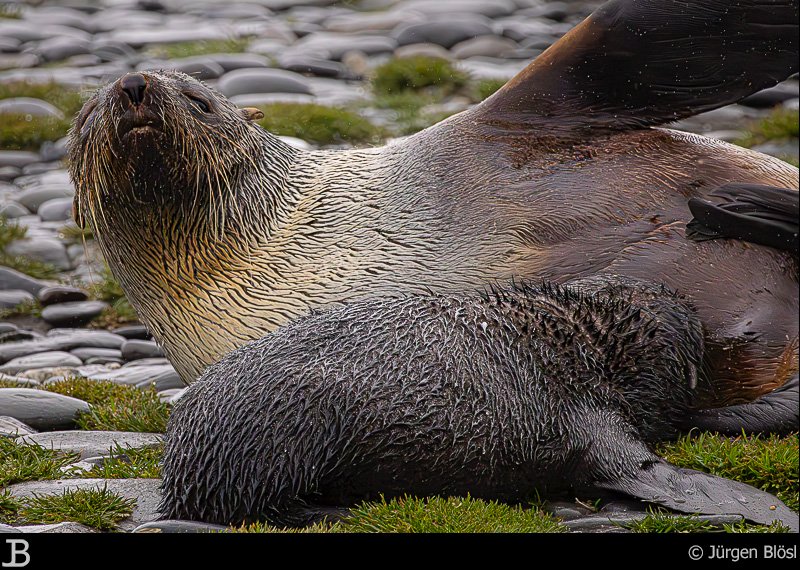
Unfortunately, we also see some carcasses. Although bird flu [↗] is no longer as bad as it was a few years ago, when landings were completely prohibited, it has not been totally gone. Interestingly, it mainly affects seals. King penguins are less affected.
After 90 minutes, we return to the ship, even though I could watch the animals all day long. No one checks whether you stick to the time limit, but the guests seem to adhere to the rule quite well. They also have to, because due to the restriction on the number of visitors, new guests can only go ashore once the old ones are back on board.
Back on board, I first have breakfast and then start sorting through my photos. In the late morning, we continue on to Grytviken [↗], the capital of South Georgia. We arrive there around 3 p.m. In the meantime, the sky clears and the sun comes out. However, the wind picks up.
When I go to the Inspiration Walk shortly before arrival to take a few photos of the place from a distance, the thermometer on the bridge reads 8.7°C, but the wind is so icy that I quickly pull up the hood of my lined parka. It may well be that I'm putting on my gloves for the first time today.
There is just an announcement that a test zodiac is being sent out to see if the gusty wind will allow a landing at all.
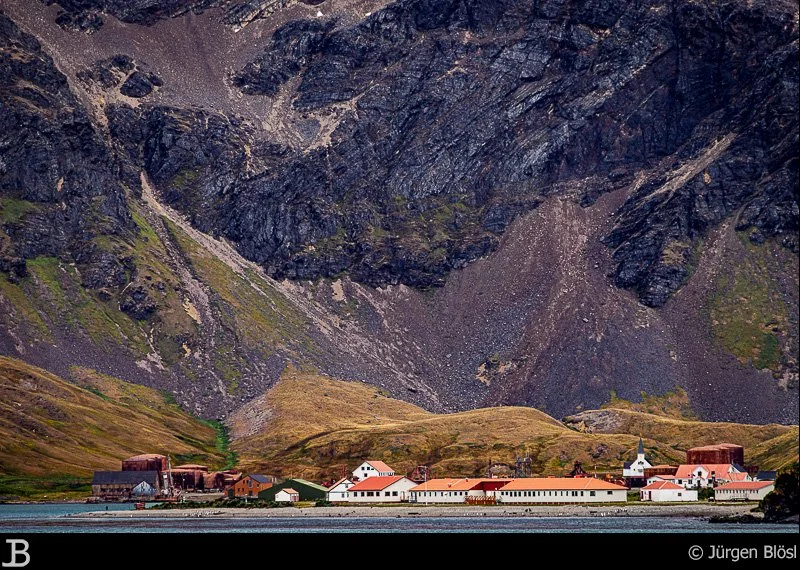
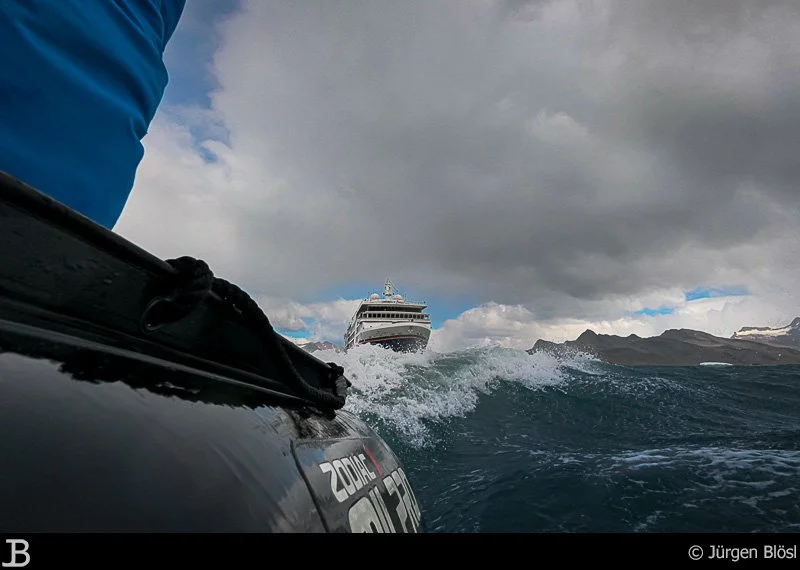
Grytviken is home to the South Georgia administration, which inspects and approves all ships. This involves a lot of paperwork, but also inspection of the rat traps carried on board the ship. Passengers are also checked at random. The fact that we were allowed to visit Salisbury Plains this morning is thanks to the good track record in the past. This (and perhaps also the weather) has now even led to the authorities canceling their visit on board altogether.
A few minutes later, the announcement comes: “Let's give it a try.” So I get dressed and, after the color code is called, head down to the boot room and the Zodiacs.
As this morning, I am in the first boat of the first group. As announced, we get pretty wet, but we are wearing appropriate clothing. Barely ashore, a message comes over the radio that the captain is about to abort the landing. But it doesn't come to that.
Grytviken is an old whaling station where whale oil was extracted from the killed animals until the 1960s. The oil was mainly used for margarine, but also for cosmetics. In fact, everything that palm oil is used for today. Inferior oil was then used as a lubricant. There are a number of other stations on South Georgia and in Antarctica, but Grytviken is the only one where the asbestos-contaminated buildings have been dismantled. This means that you can move around freely here. The old machines and boilers are now on display outdoors.
In addition to the ruins and, of course, the penguins and seals, there is also a small museum, a post office, a church, and the cemetery where explorer Ernest Henry Shackleton [↗] is buried. I won't repeat the dramatic story of him and his expeditions here. You can find plenty of information about that on the internet [↗]. An IAATO employee gives us a short tour and tells us what life was like here in the past.
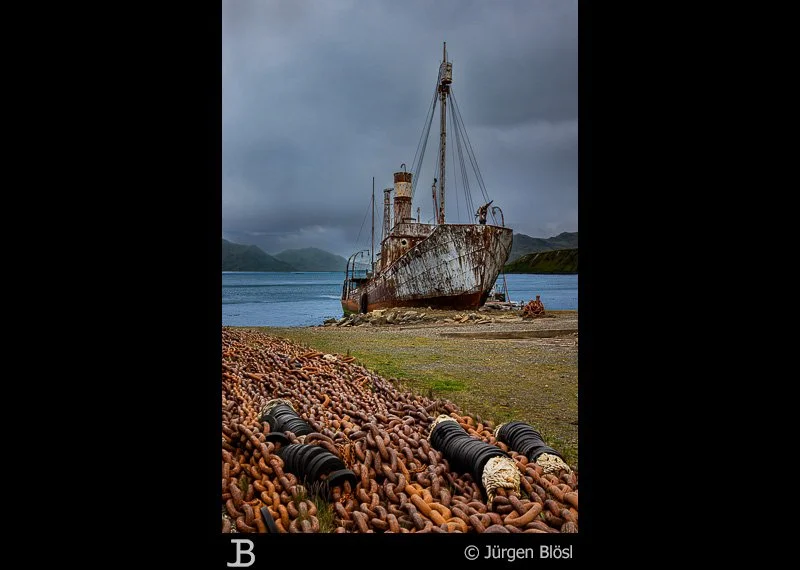
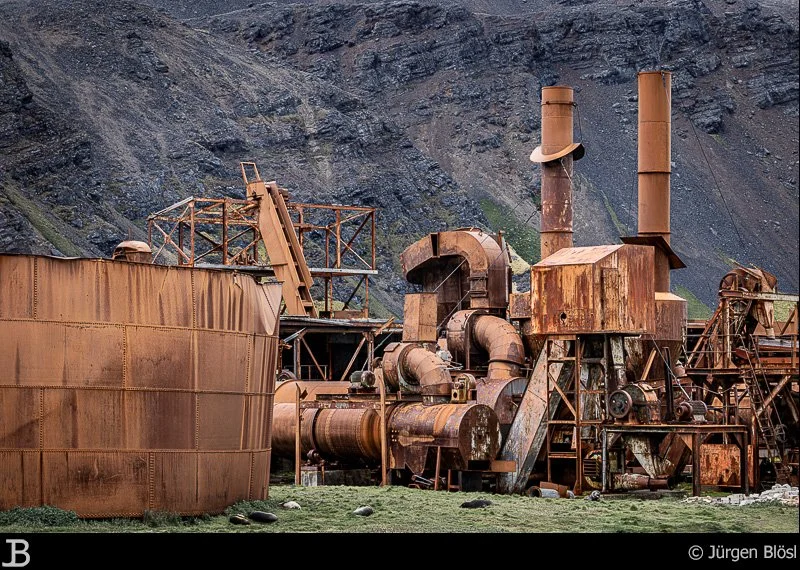
I spend about 1.5 hours in town. I could have stayed longer, but I have a reservation for tonight at the NIKKEI specialty restaurant. This restaurant is also included in the price of the trip. However, due to the limited number of seats, reservations are required. I booked two reservations right after boarding and the first one is today.
Each of the HANSEATIC ships has a different specialty restaurant. NIKKEI serves Japanese-Peruvian cuisine. Delicious, as it is every evening, but with a flavor that I have never encountered before, either in Germany or in Asia.
The next morning, the sun wakes me up before 5 a.m. Since I was in the first group yesterday, I'm in the last group today. So I have plenty of time to turn over and go back to sleep. But a quick glance out the window tells me that it's quite windy and there's a fair amount of swell. Let's see if we can even leave the ship today.
Eventually, I get up and before I go to breakfast, I want to quickly take a few photos of Gold Harbor, which we have now reached. The waves are not as high in this sheltered bay and the landing team has set out to inspect the beach and get settled there. What is still strong is the wind. Both the Inspiration Walk and the promenade deck are closed. Only the glass-enclosed pool deck and the stern are accessible. So I take my photos from there.
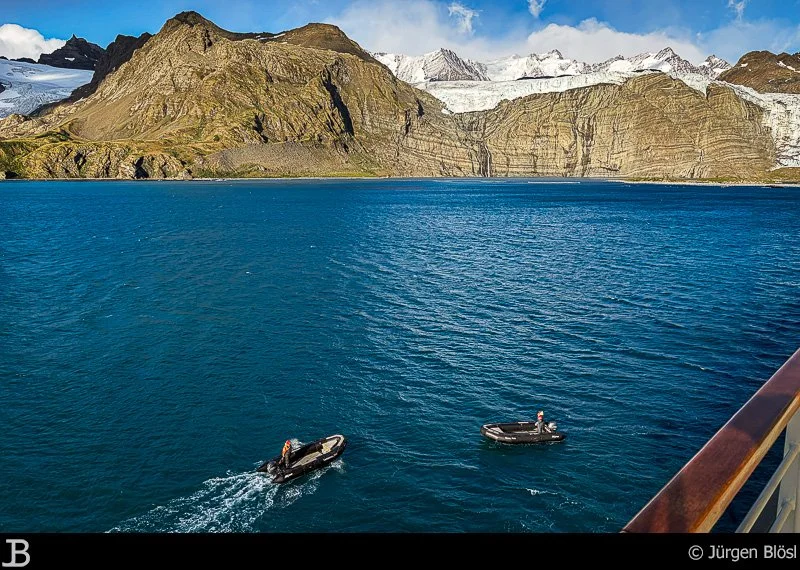
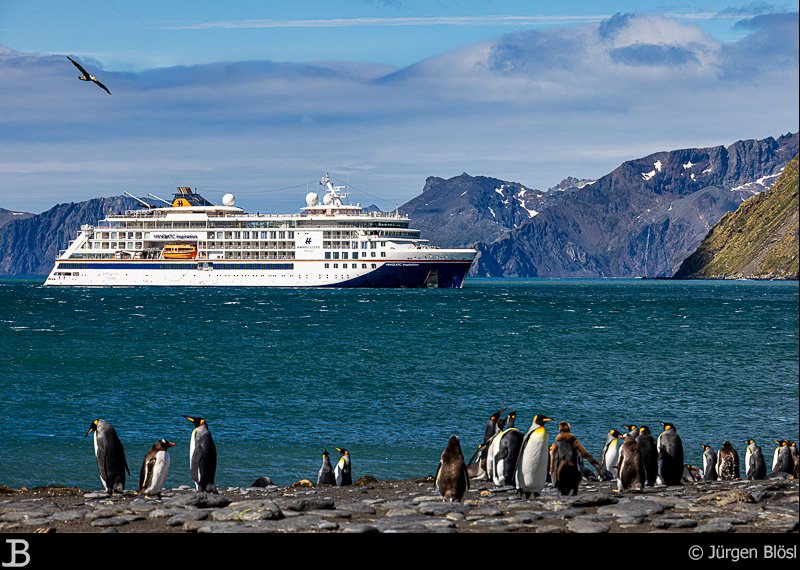
A combination of a Zodiac cruise and shore leave is planned for this morning. Due to the wind, we are advised to wrap up warm. Sun protection is also recommended. We are even reminded of this again via an announcement.
The idea of taking photos with my camera during the cruise vanishes as soon as I board: it could get quite wet. Let's see how it goes this afternoon. Also there, at least the trip to the bay is said to be wet.
We drive slowly along the beach for quite a while and then go ashore at the prepared spot. From here, a marked path leads to the colony of king penguins. We are led past some sea lions in groups. The colony is huge again today. It feels like we are getting even closer today. You could stand here for hours watching the animals. But we only have three quarters of an hour left before we have to go back on board.
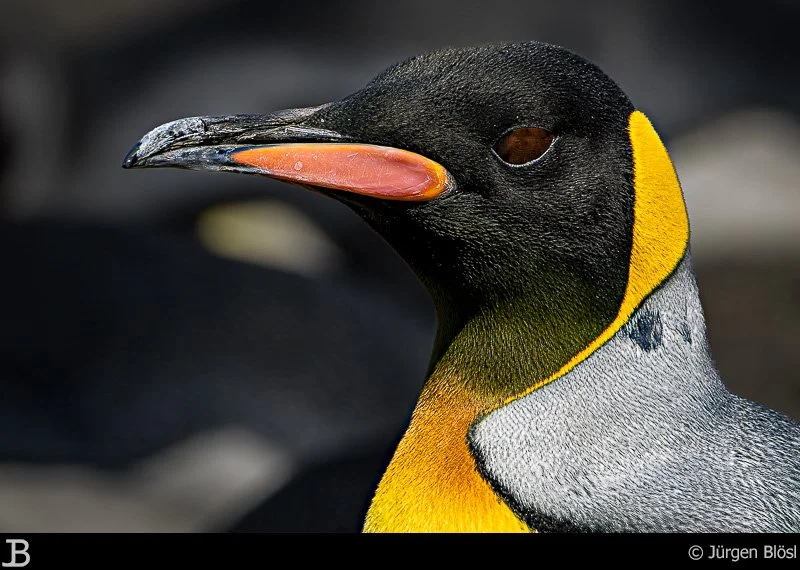
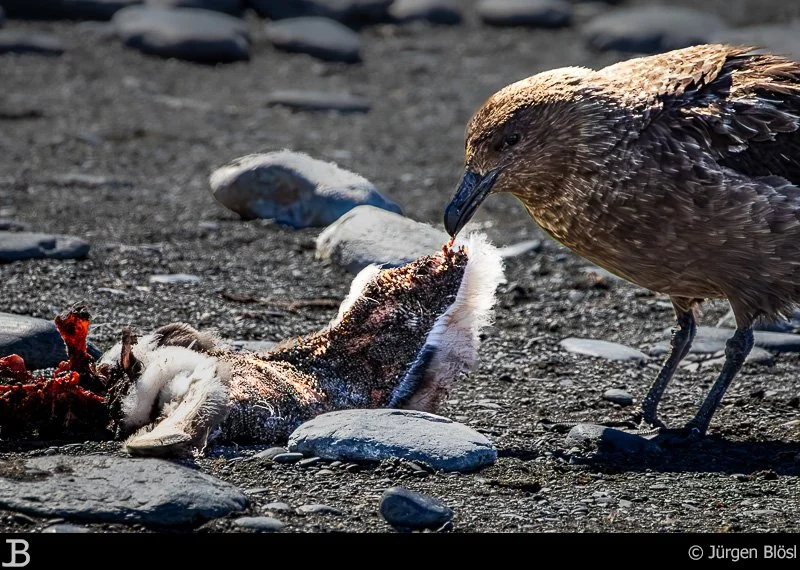
During lunch, the captain announces that whales have been sighted. Whereas the first time everyone jumped up and rushed outside, we now know that it will take a moment before we are close enough to see anything. I finish my coffee first and then fetch my parka and camera from my cabin. This time, they are humpback whales [↗] and much closer than the previous two times. The captain even has trouble keeping his distance, as the animals seem to want to take a closer look at the ship. The humpback whales are more active than the sei whales anyway, so we get to see their tail fins several times. One of them even jumps out of the water, but of course, I had my camera pointed at another animal at that moment. At least I saw it. In addition to the whales, penguins and seals are also frolicking in the water. At some point, my feet get cold and I head for the warmth.
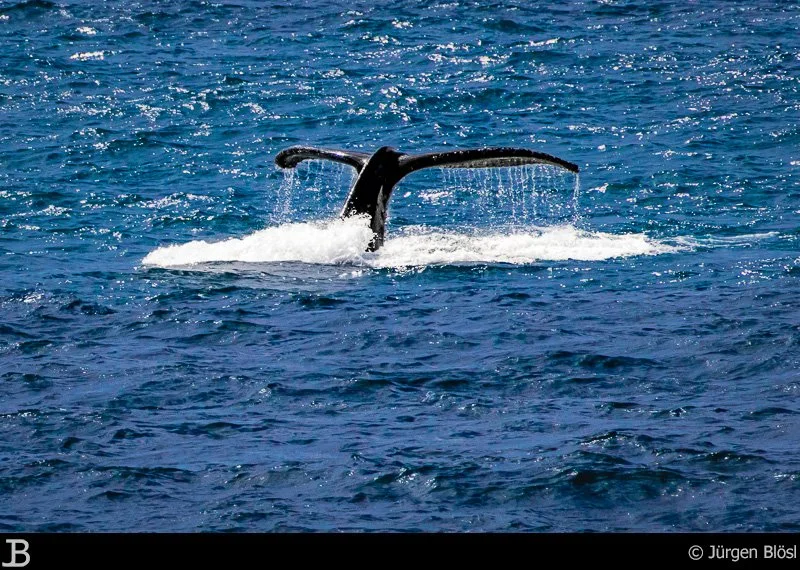
The ship stays in the area for a while and then sets off for Cooper Bay. We won't go ashore here, but will cruise along the coast for an hour in the Zodiacs. After my last experience, I take gloves and earmuffs with me. But I take them off within five minutes.
The cruise isn't spectacular, but it's a nice, relaxed way to see the landscape and, of course, more penguins. Riding in a Zodiac is just fun.
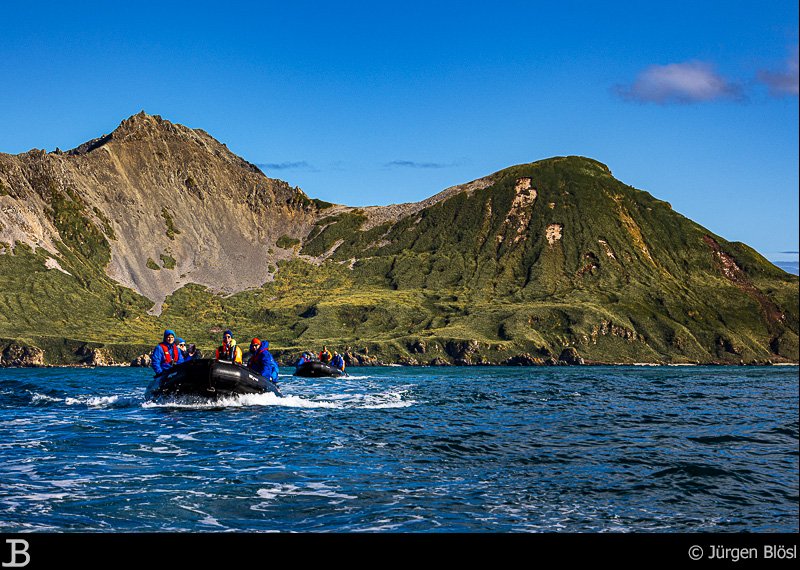
Back on board, there's another surprise. The captain announces that we're going to the Drygalski Fjord. That wasn't mentioned in the program. It probably depends a lot on the weather. At the moment, the sun is shining for the most part. There is a cold wind, but the waves are not too bad.
This time, I dress more warmly and stay in a place that is somewhat sheltered from the wind. I stay outside for about an hour before heading back to my cabin and then to the restaurant.