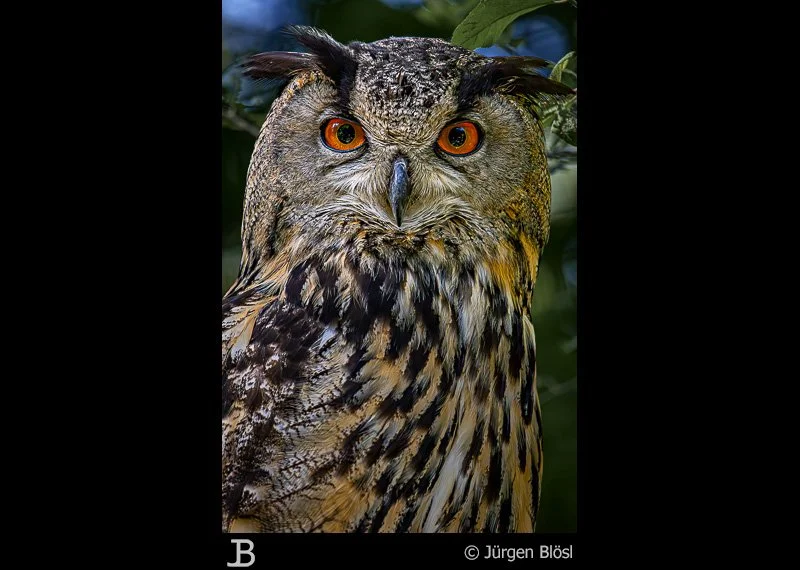
With my new Canon RF 100-400mm in the Wildlife Park Bad Mergentheim
I still have an old 100-400 EF lens, but I wasn't really happy with the results anymore.
I waited a long time for Canon to open up its RF mount to third-party manufacturers' autofocus lenses. This has now happened, but only for APS-C sensors. As things stand today, this will not change in 2025 and probably not even in 2026.
So, it will be a Canon lens again. The only question is which one. The successor from the L series is the 100-500 - expensive and heavy, the 200-800 just as much so. The 600 and 800 with their fixed aperture of 11 were too special for me. So I ended up with the 100-400 again. This is significantly lighter and more compact than the other lenses and, above all, than my old 100-400 for the EF mount. The current summer discount campaign then tipped the decision.
There are more than enough tests and videos of the lens. But of course, I wanted to see for myself. As soon as the lens arrived, I took my old EF and the new RF lens and took a few comparison shots in the garden.
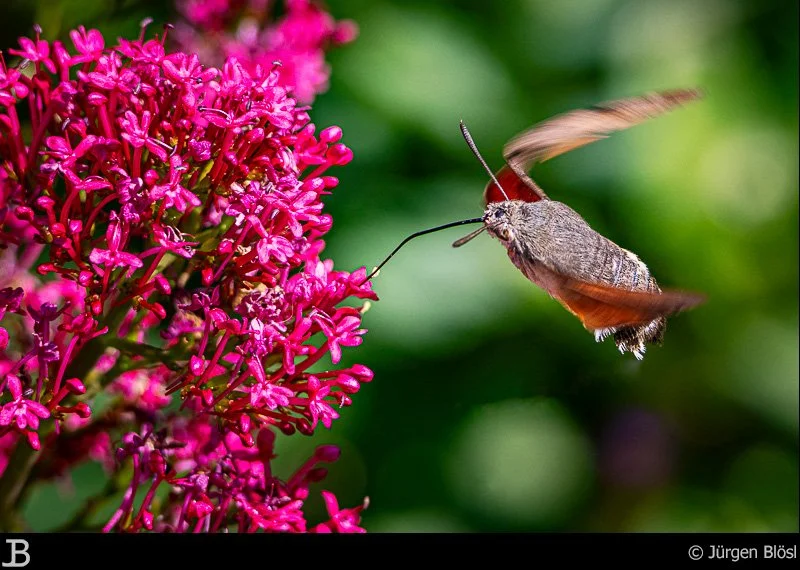
The new lens performs at least as well in static shots (house wall, roof tiles, etc.) with both full-frame and APS-C cameras. And this despite the fact that it is no longer in the L category. But things get interesting with moving subjects. Not only is the autofocus faster, but the lower weight means that the lens can be held steadier by itself. The improved interaction of the stabilizers in the lens and camera does the rest.
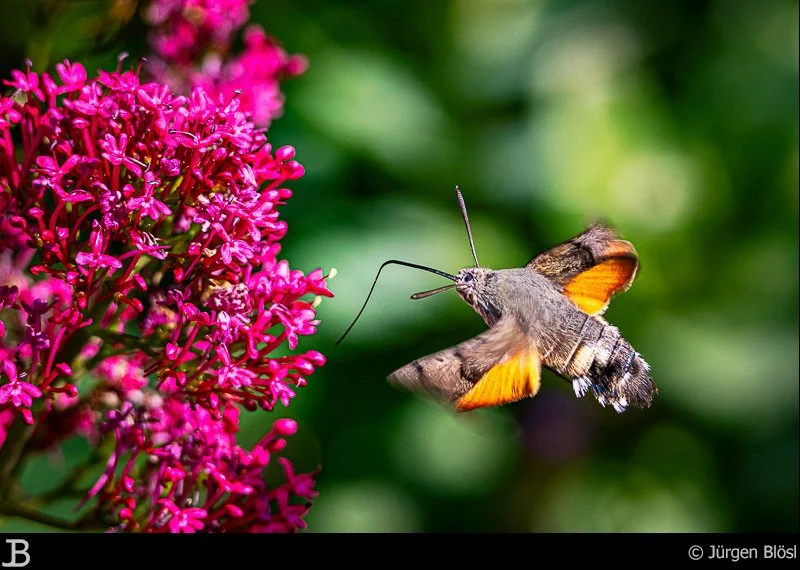
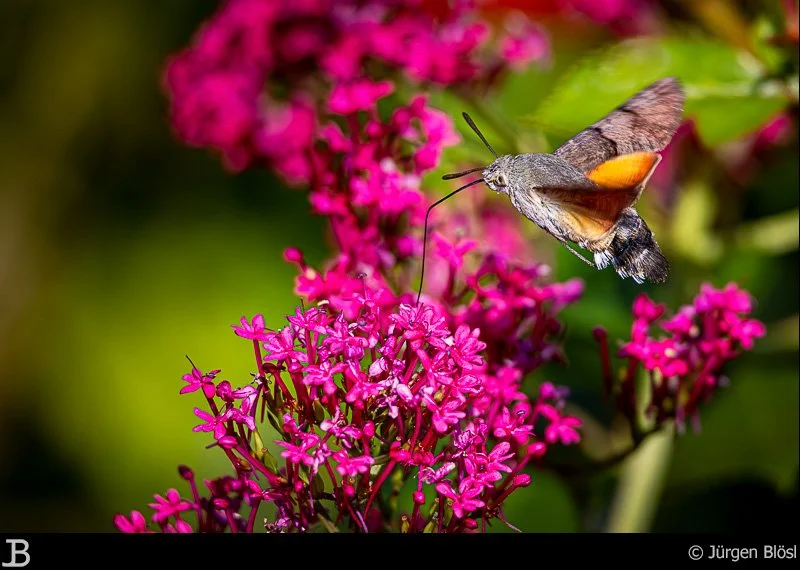
After a few photos of the hummingbird hawk-moth in our garden, the next morning we went to the Wildlife Park Bad Mergentheim [↗].
I have written about the Wildpark before (for example here. You can find more of them by using the search field in the blog overview).
However, quite some time has passed since I was there. They've made some minor changes over time but on the whole the concept has remained the same. As the main target group is families with small children, this is not a problem. But after you've been there a few times, the pictures start to look similar.
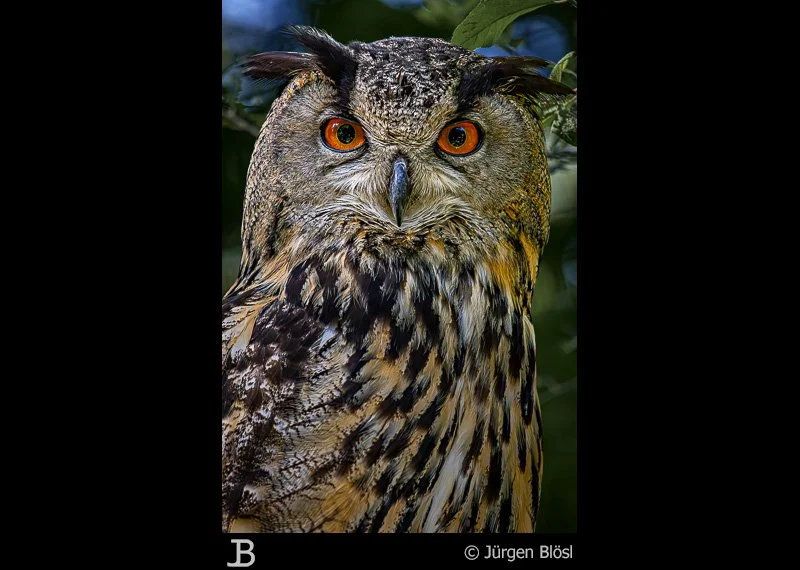
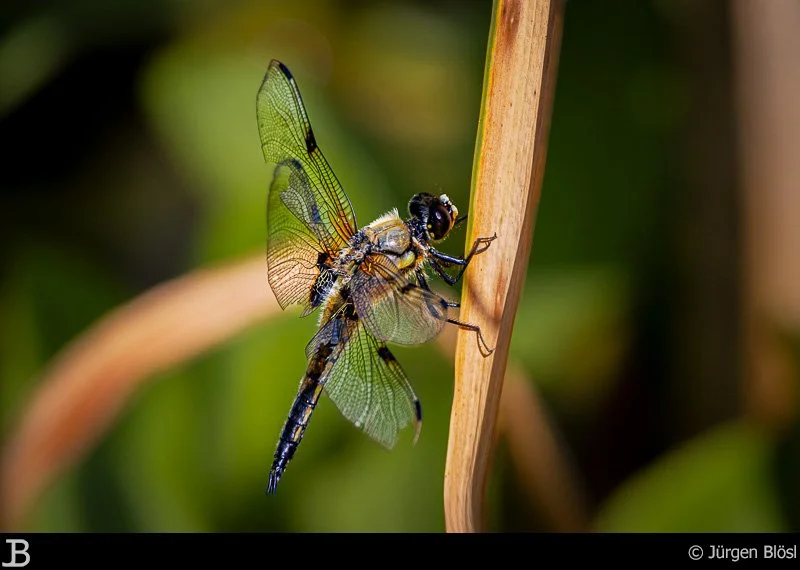
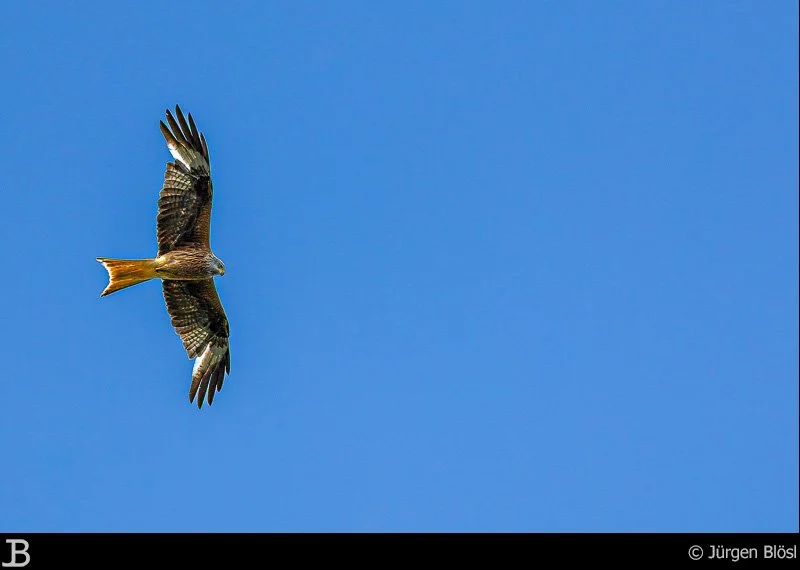
On the other hand, there are of course great motifs to try out the new lens “in the wild”. Unfortunately, it was a very sunny day, so the contrast in some of the enclosures was so great that it wasn't really worth taking pictures. Nevertheless, the new lens proved convincing:
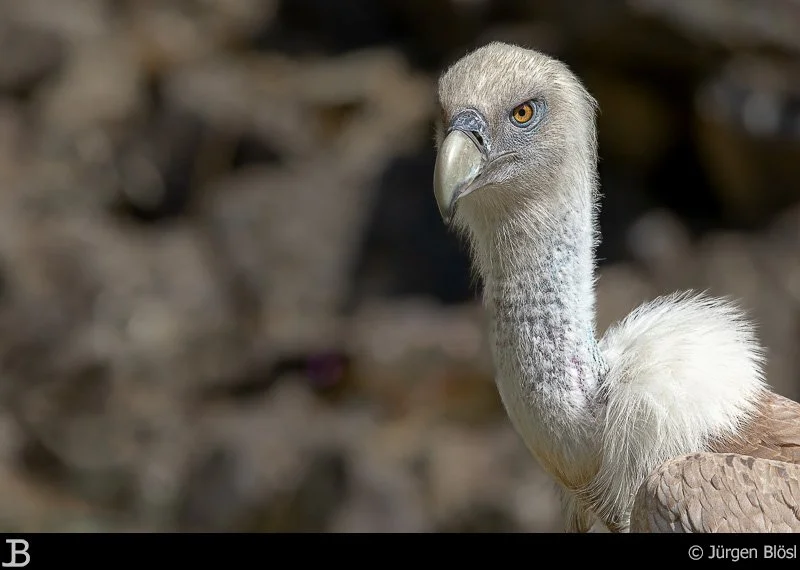
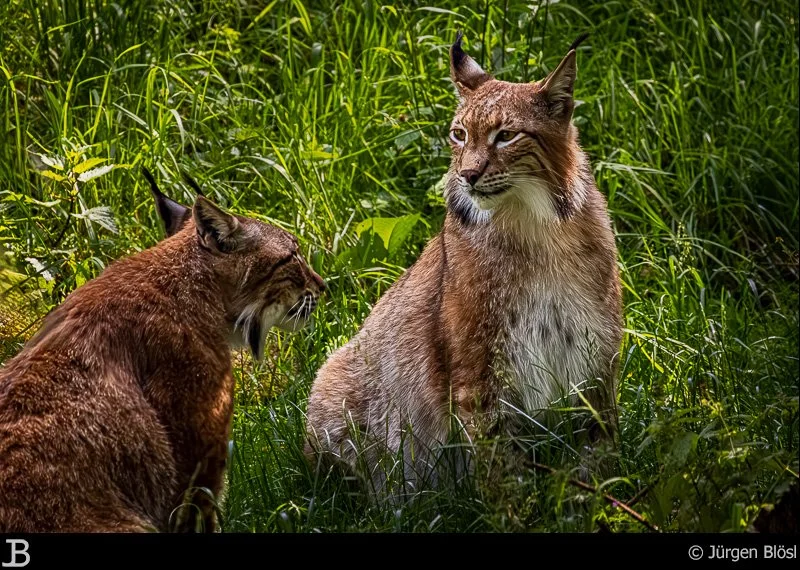
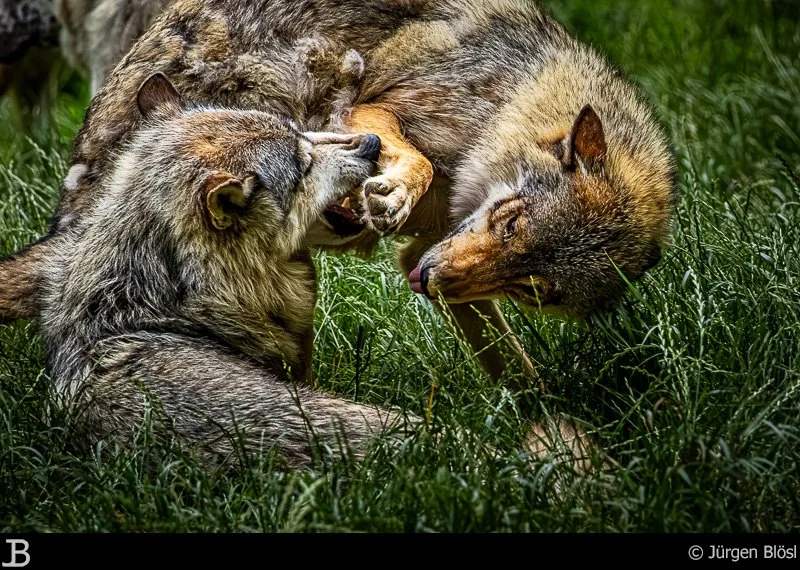
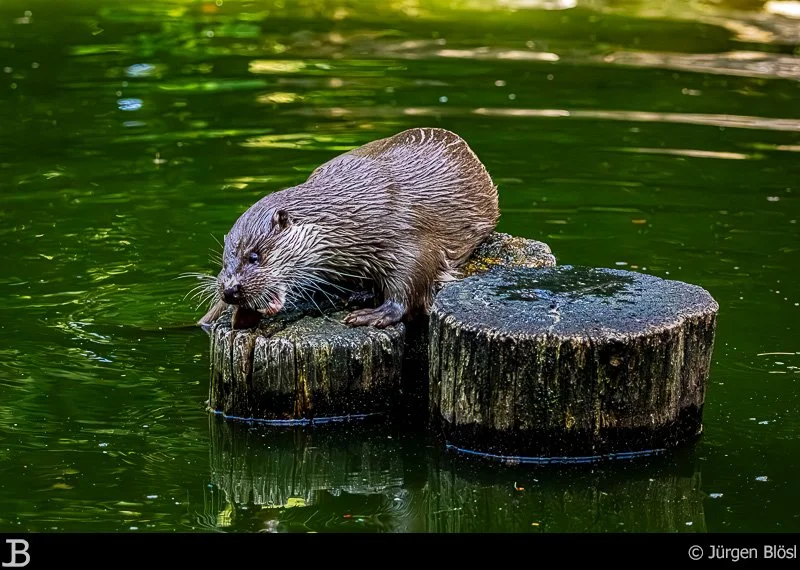
Otherwise, the recommendations from the old posts still apply: come as early as possible and take the feeding times with you, especially for the vultures. They are the only way to get into the enclosure with the birds.