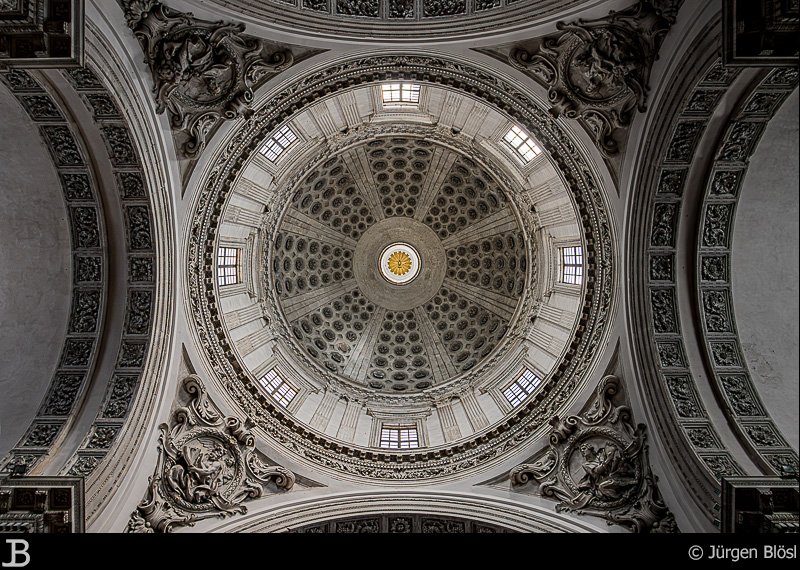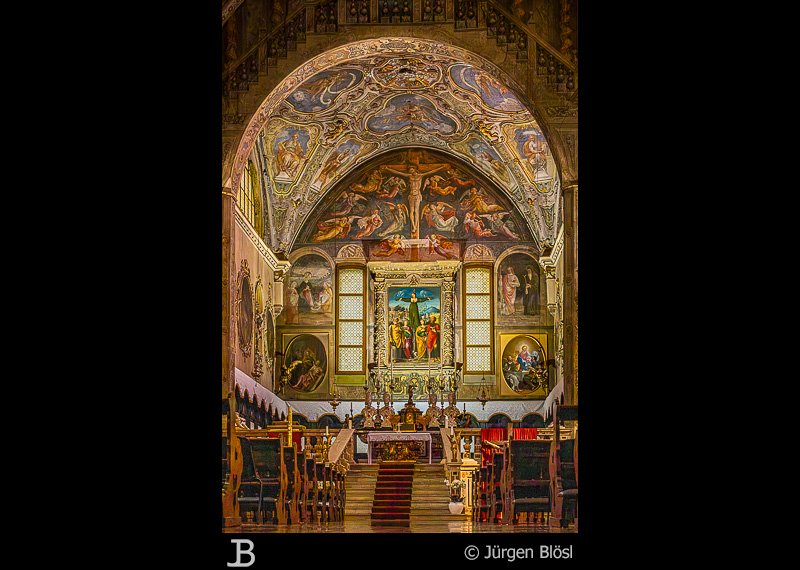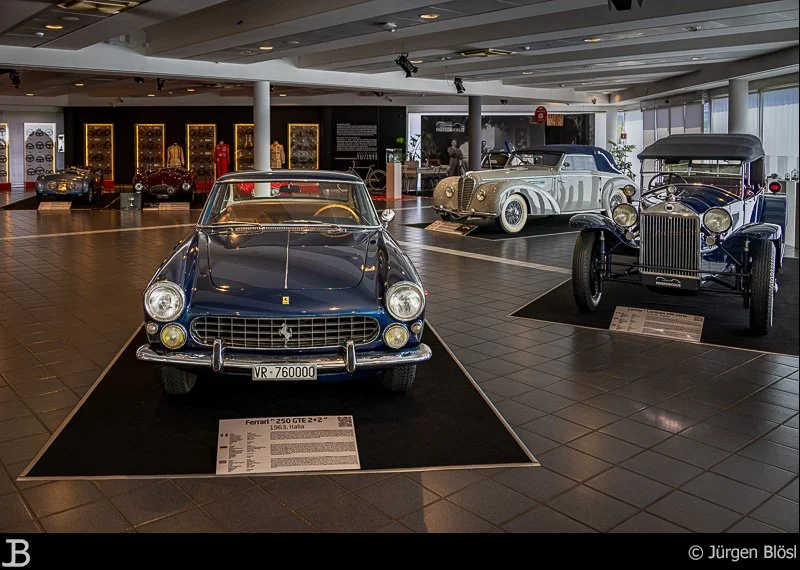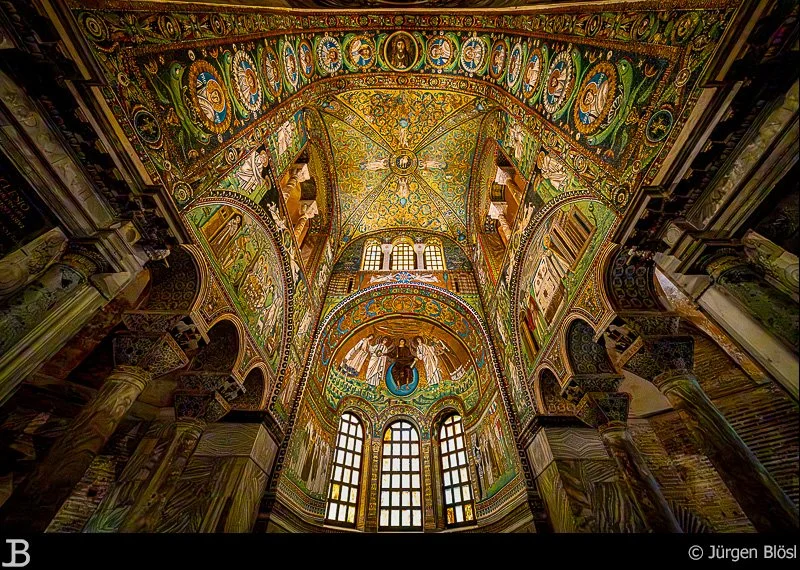
Brescia [↗] was the pleasant surprise on our tour of northern Italy this spring. From a tourist perspective, the city lies in the shadow of its larger neighbors, Verona and Milan. And although it’s easily accessible from Lake Garda, not too many day-trippers seem to make their way here from there. As a result, the city has a very pleasant, relaxed atmosphere.
We found a hotel just outside the historic city center, which I would recommend to anyone traveling by car. Brescia, like many other northern Italian cities, has traffic restrictions in the city center that aren’t always easy to understand and are strictly enforced. On foot, however, you can reach all your destinations relatively quickly.
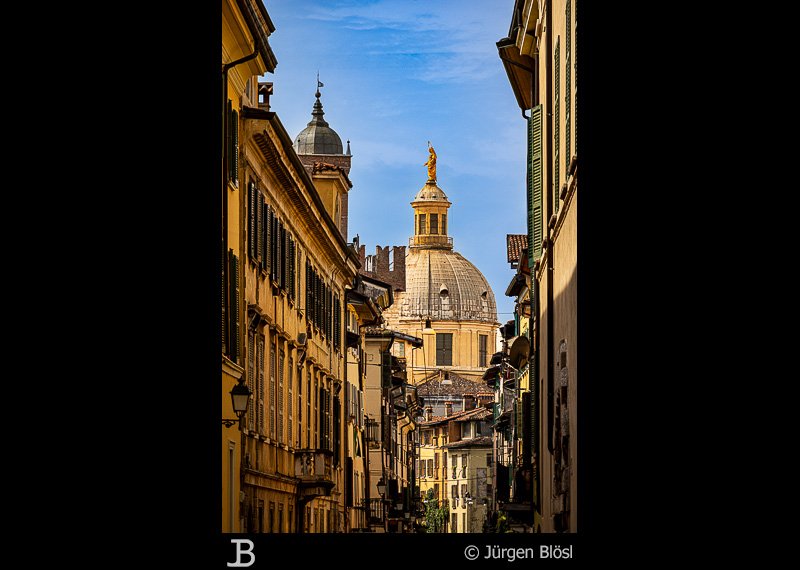
The main attraction is the Museo di Santa Giulia [↗]. The former monastery, founded in 753, was added to the UNESCO World Heritage List in 2011. Most of the artifacts on display there date from the Roman period. For me, however, the highlight wasn’t the exhibits, but the buildings themselves and the frescoes, many of which have been beautifully restored.
The museum closes relatively early, and you should plan on spending at least two hours there, since you’re directed through different exhibits even if you’re only interested in the architectural highlights. If you’re interested in Roman history, you can easily spend a whole day here.
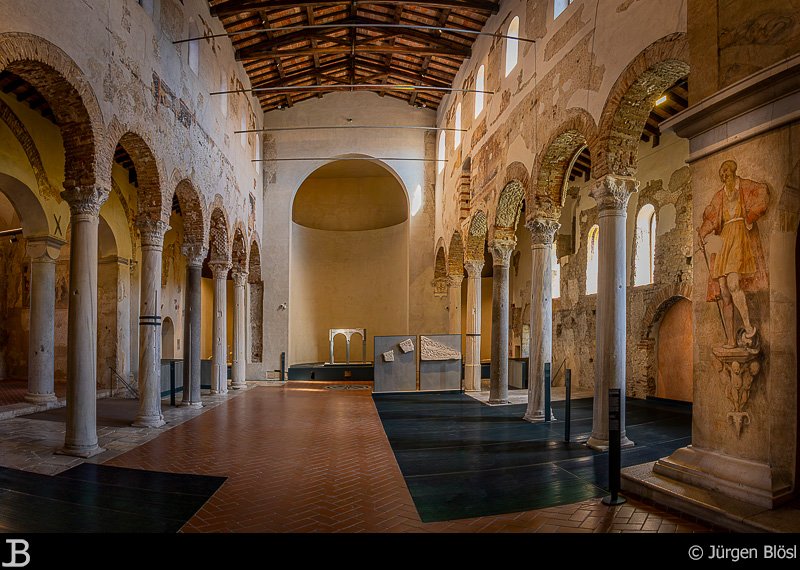
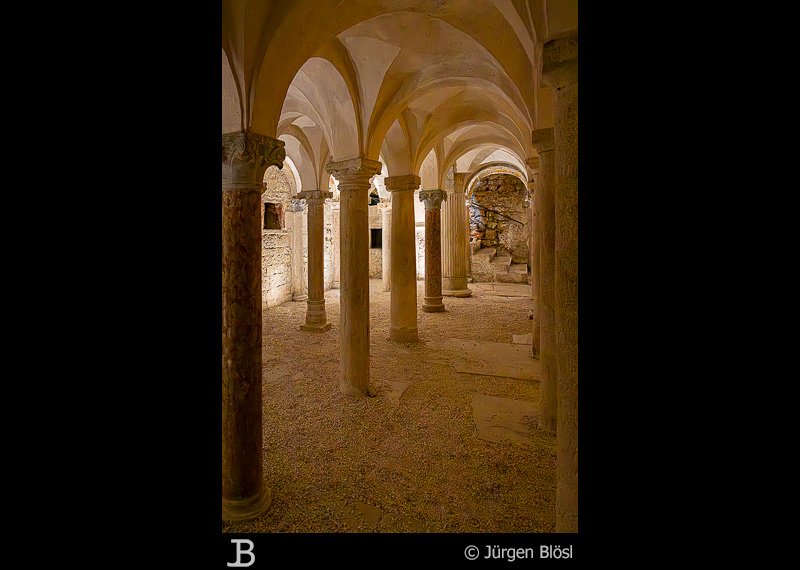
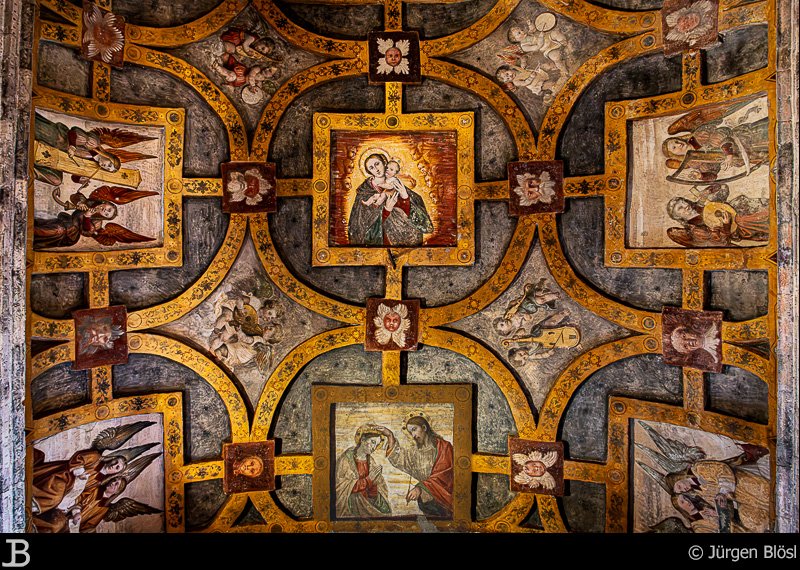
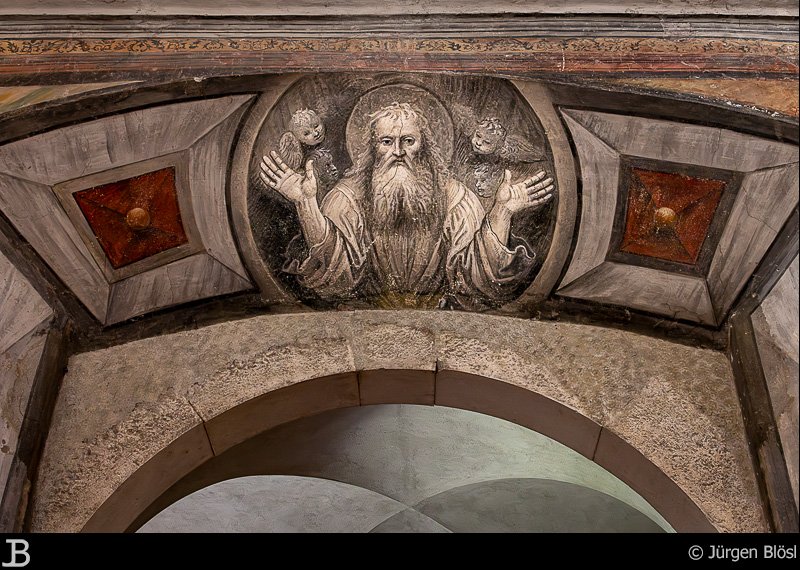
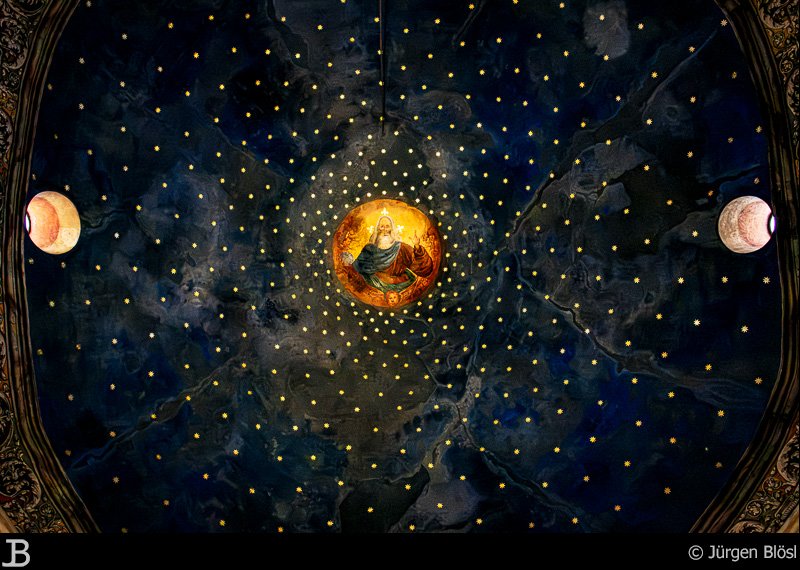
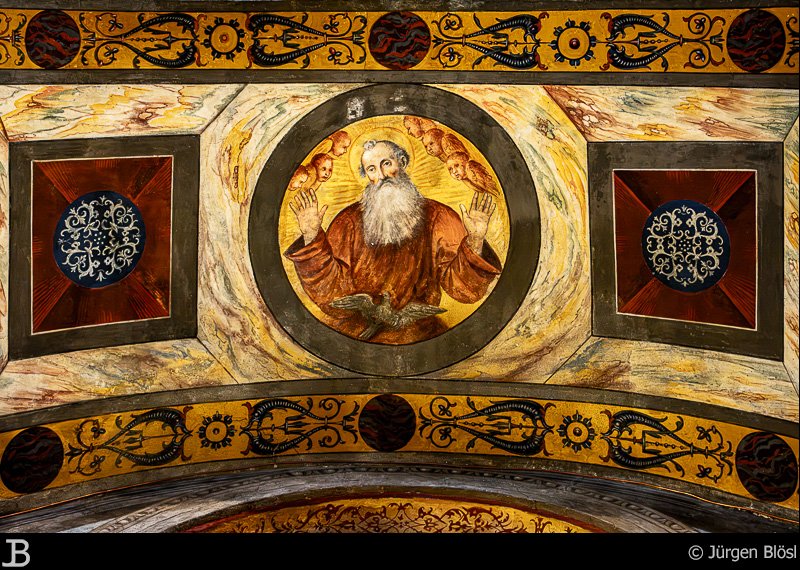
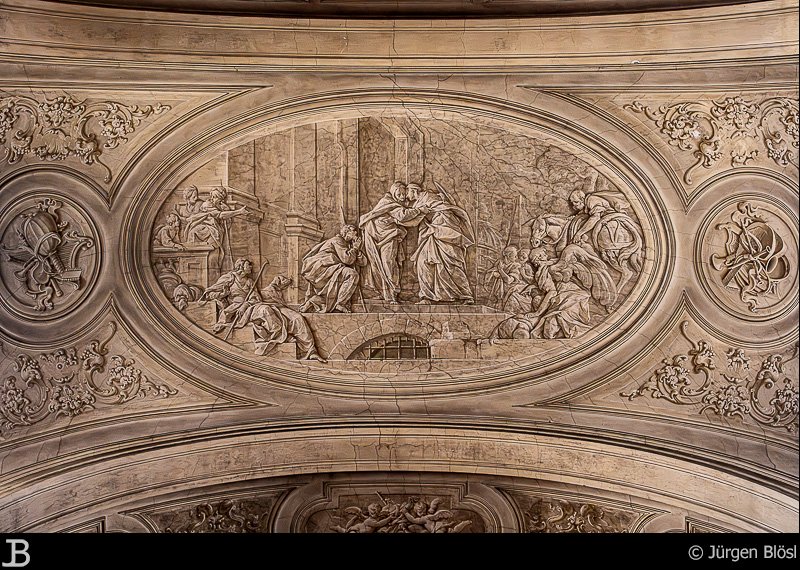
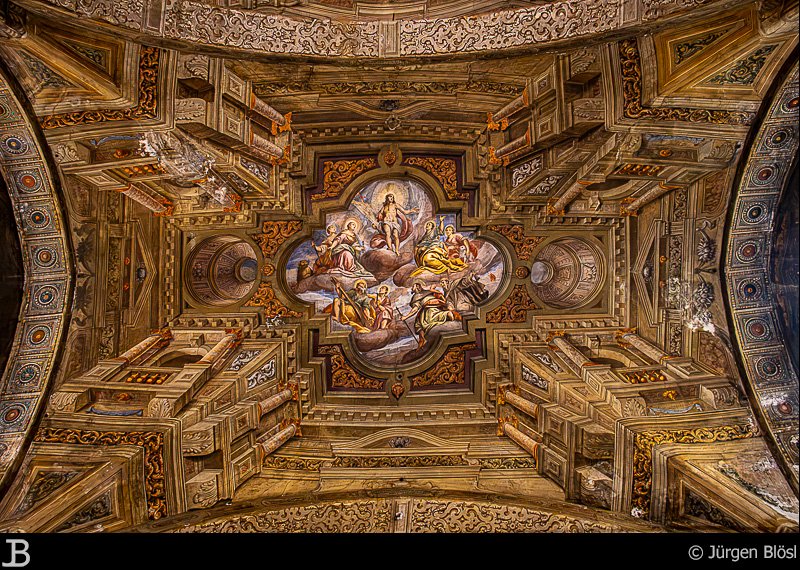
In addition to the museum, it’s definitely worth taking a look inside the various churches. The two cathedrals on the main square are relatively well-known, but the smaller churches you come across along the way are also worth visiting. These are often beautifully painted as well. It’s interesting to note that many of the columns and corbels aren’t actually built - they’re painted. If you look very closely, you can even see the spots where the plaster has cracked.